
- Ressource
- Custom Glass Optics
- Optische Formen
- OPtical Coating
- Optikformung
- Optical Tooling
- Werkzeugvideos
- Prisma & Filter
- Spezielle optische Bauteile
- Beleuchtung & Beleuchtung
- Medizin & Endoskopie
- Optische Anwendungen
- Automobiloptik
- Bildgebung & Sehen
- Optische Fähigkeiten
- Produkte & Anwendungen
- Verbraucherelektronik
- Industrielle Bildverarbeitung
- Asphärische Linsen
- Sphärische Linsen
Automobiloptik
Optische Anwendungen / Automobiloptik
Bring vehicle optics into focus
Vehicle optics connect light, sensing and information with a demanding physical environment. From a lighting lens to an imaging window, the starting point is the same: define the optical function, the installation and the conditions the component must withstand. Bring those requirements together before choosing the manufacturing route.
Diskutieren Sie Ihr Projekt >Erforschen Sie die Anwendung
01Beleuchtung & Lichtleiter02Cameras & optical sensing03Display-related optics
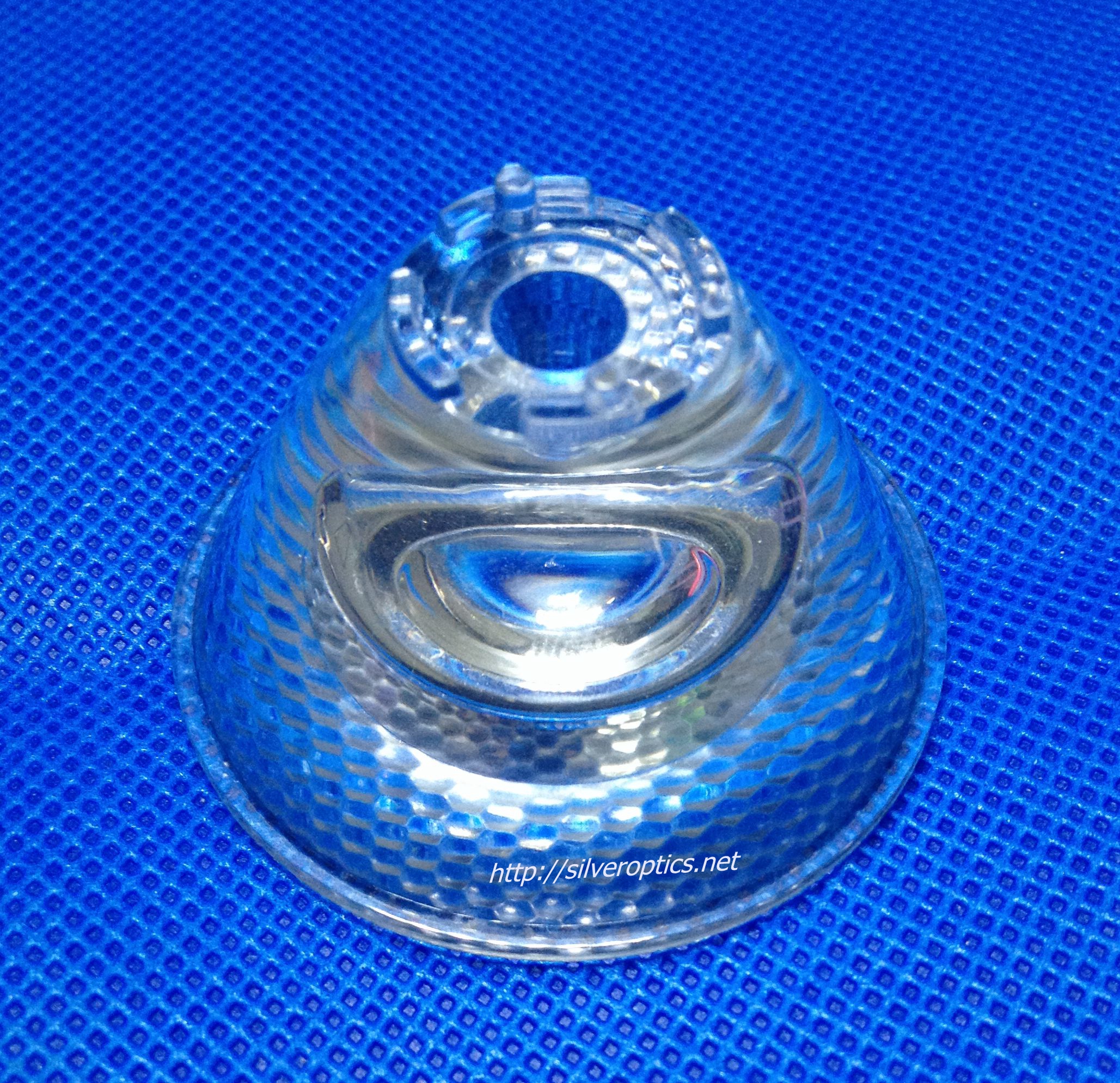
Beleuchtung
Shape the light around the source
A lighting optic needs a defined relationship with its emitter and housing. Start with the required beam pattern or visible illuminated area, then identify the surfaces that collect, guide and distribute light. Mounting references, source spacing and permitted molding features belong in the same review. Evaluate trial components in a representative assembly so a change in alignment is not mistaken for a change in optical surface quality. Material and coating choices should also reflect the temperature and exposure conditions at the intended installation.
- Beam pattern, target plane and measurement distance
- Emitter data, source-to-optic spacing and assembly datums
- Permitted gate, parting-line and handling locations
Optical sensing
Keep the sensing path clearly specified
For camera or optical-sensing components, a transparent appearance is only a starting point. Specify the operating wavelength range, clear aperture and required transmission, together with image-quality or beam-path requirements where they apply. Include the position of windows, filters and protective covers in the optical model. Surface reflections, coating coverage and installation angle should be reviewed against the complete sensing path and its acceptance method. Agree the relevant checks after specified environmental exposure as well as on the initial sample.
- Wellenlängenbereich, angle of incidence and clear aperture
- Transmission, reflection and relevant image-quality targets
- Window geometry, coating boundaries and housing interface
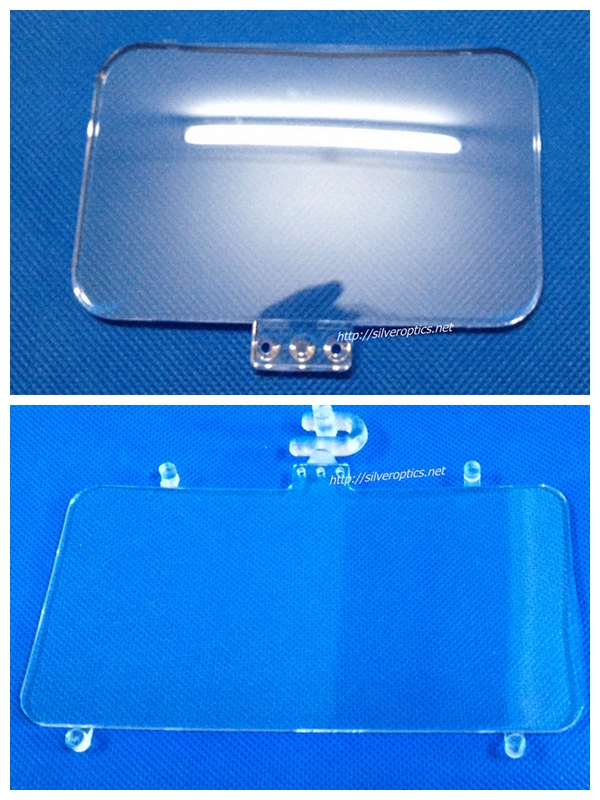
Displays
Schließen Sie die Anzeigeoberfläche an die Betrachtungsposition an
Anzeigebezogene Optiken sollten sowohl von der vorgesehenen Betrachtungsposition als auch an der Bauteiloberfläche überprüft werden. Definieren Sie den nutzbaren Betrachtungsbereich, Optischer Pfad und Bildanforderungen, bevor das mechanische Gehäuse festgelegt wird. Beziehen Sie Montage- und Beschichtungsanforderungen ein, die die fertigen Teile beeinflussen könnten. Eine Projektüberprüfung sollte festlegen, welche Prüfungen für die einzelne Optik gelten und welche innerhalb der kompletten Displayeinheit bewertet werden müssen. Ermitteln Sie frühzeitig Kundenqualifikationsdokumente und Berichtsanforderungen, mit genehmigten Verantwortlichkeiten für die Komponente und das gesamte System aufgezeichnet.
- Betrachtungsbereich, optisches Rezept und Verpackungsgehäuse
- Akzeptanzkriterien für Bildverzerrung und Gleichmäßigkeit
- Montagereferenzen und Prüfungsumfang für Komponenten versus System
Projektvorbereitung
Bringen Sie diese Details zur Projektprüfung mit
Connect the component drawing to its installation and qualification plan. Identify the tests, records and approval responsibilities required by the vehicle program.
- Current 2D drawing and 3D model with optical surfaces identified
- Source or sensor information and optical performance targets
- Mounting interfaces, material preferences and coating requirements
- Environmental test conditions and customer qualification documents
- Versuchsmenge, production demand, schedule and acceptance plan
- Required inspection records, qualification responsibilities and sample approval process
Starte ein technisches Gespräch
Start with the optical task
Tell SILVER OPTICS how the component will function in the vehicle. Include the drawing, installation conditions and required test results so the proposed scope can be reviewed.
Discuss automotive optics >© Silveroptics 2026. Alle Rechte vorbehalten
Bereitgestellt von Silveroptics
Service
