
- Prisma & Filter
- Spezielle optische Bauteile
- Beleuchtung & Beleuchtung
- Medizin & Endoskopie
- Optische Anwendungen
- Automobiloptik
- Bildgebung & Sehen
- Optische Fähigkeiten
- Produkte & Anwendungen
- Ressource
- Custom Glass Optics
- Optische Formen
- OPtical Coating
- Optikformung
- Optical Tooling
- Werkzeugvideos
- Verbraucherelektronik
- Industrielle Bildverarbeitung
- Asphärische Linsen
- Sphärische Linsen
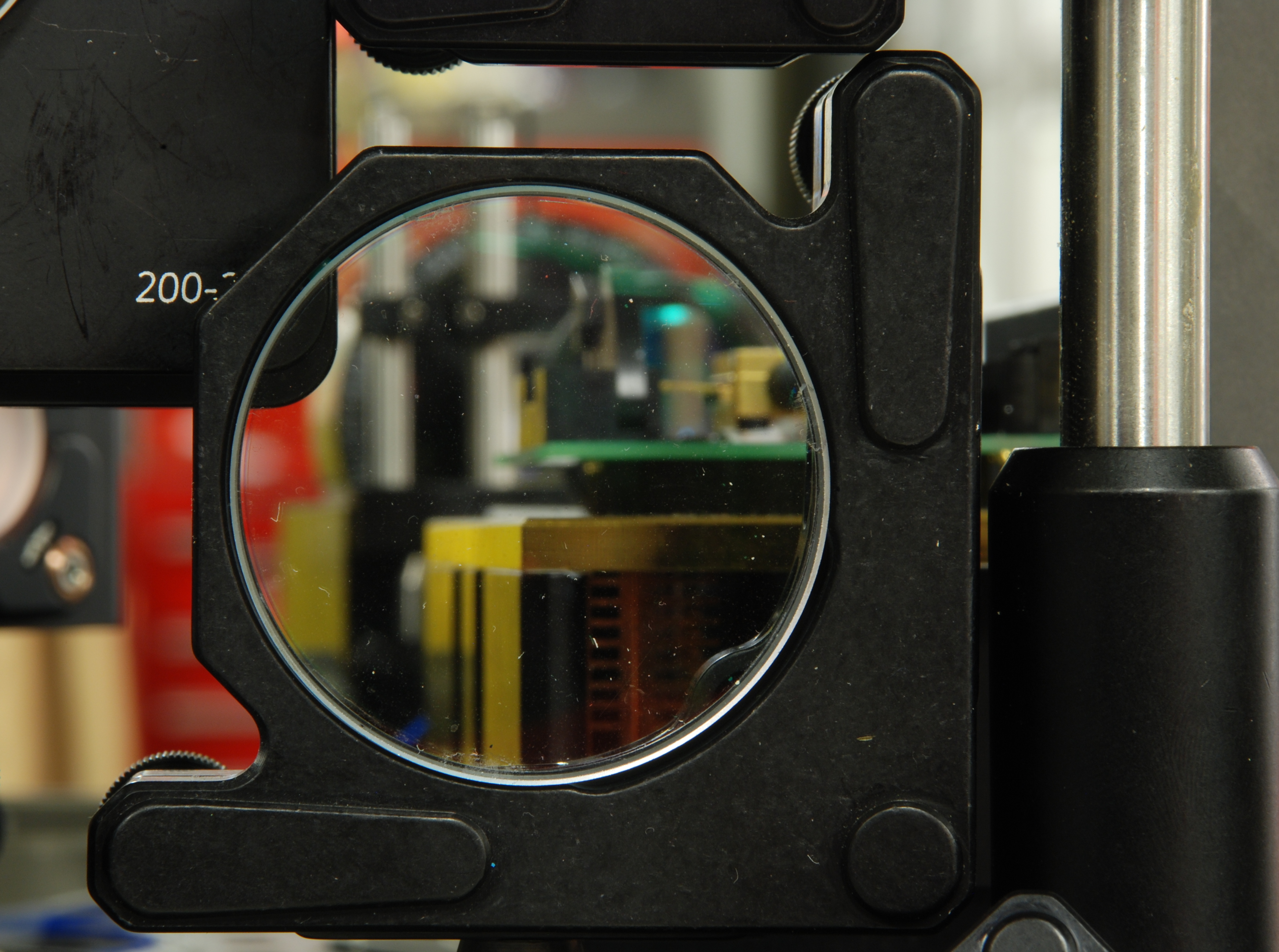
Plate Beamsplitter RFQ: Map the Ghost at the Detector
Anfrage- Beschreibung
A plate beamsplitter can produce the intended reflected image and a fainter secondary one. Whether the secondary reflection matters depends on where it falls at the detector, not just on whether it exists. Show the detector and beam paths in your RFQ so the proposed optic, coatings and mount can be reviewed against the same geometry.
Draw the surfaces and the receiver
Label the splitting surface and opposite face, the incident side, the nominal angle, and the detector plane and active area. Trace the nominal reflected beam and the return from the opposite face. For an imaging design, identify the field positions that put the secondary image closest to a critical region. Keep the ghost path distinct from the lateral offset of the transmitted primary beam, which is a separate alignment issue.
Choose what the test will reject
Specify whether the ghost must miss a defined active region or remain below a stated signal relative to a reference exposure. For a signal limit, agree how the test avoids saturation and where the background and ghost are sampled. Include the wavelengths, field points and polarization conditions relevant to the system. A low-reflectance rear coating can reduce the secondary return; a wedge can move it. Confirm that neither change creates an unacceptable shift, clearance conflict or other stray path.
Keep component and system evidence separate
A rear-surface reflectance result is useful component evidence but does not establish the ghost level at a detector. State who will check the optic on a bench and who will verify the assembled system. For the separate main-beam specification, see the guide to defining split ratio. Siehe optical coating services for the coating information to include in a project review, und Edmund Optics’ comparison of beamsplitter types for the trade-offs of plate geometry.
Ressource, Blogs
ANFRAGE SENDEN
Verwandte Produkte
© Silveroptics 2026. Alle Rechte vorbehalten
Bereitgestellt von Silveroptics
Service
