Plastic optical molds are categorized based on product application scenarios, характеристик процесса формовки, структуры полости, and precision grade, которые являются основными критериями классификации в оптической индустрии форм. Подробная англоязычная классификация выглядит следующим образом:
This classification is based on the specific optical components the molds produce, which directly determines the mold’s design standards and precision requirements.
- Формы для линз
Specialized for manufacturing various optical lenses, such as camera lenses, eyeglass lenses, microscope objective lenses, and automotive headlight lenses. These molds require ultra-high surface finish (Ra ≤ 0.001 мкм) and strict dimensional tolerance control to ensure light transmittance and imaging quality.
- Призматические формы
Used for molding optical prisms applied in binoculars, spectrometers, and laser devices. The molds need precise angle machining (tolerance ±5″) to achieve light refraction, reflection, or dispersion functions.
- Формы для оптических пленок
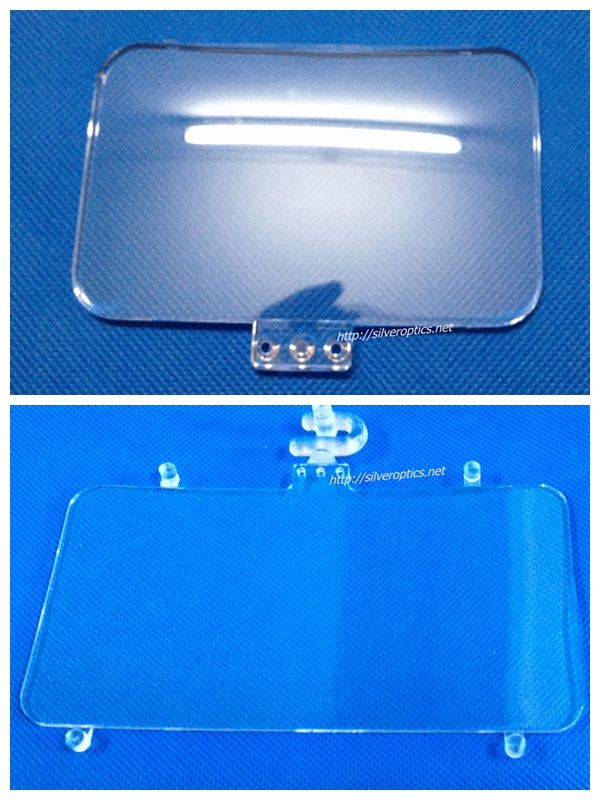
Designed for producing thin optical films, including polarizing films, anti-reflective (AR) films, and light guide plates (LGP) for LCD screens. The mold cavity surface has micro-nano structures to realize light diffusion and uniform transmission.
- Формы для оптических датчиков
Tailored for molding optical sensor components (например, infrared sensor lenses, barcode scanner lenses) widely used in smart devices and industrial detection systems. These molds focus on matching the sensor’s spectral response characteristics.
Classified according to the plastic molding technology adopted, different processes correspond to distinct mold structures and production efficiency.
- Формы для оптического пластика методом литья под давлением
The most common type, suitable for mass production of optical components. It uses high-precision injection molding machines to inject molten optical-grade plastics (например, PMMA, PC, COP) into the mold cavity. The molds are equipped with hot runner systems to reduce material waste and ensure uniform melt filling.
- Формы для оптического пластика методом пресс-формования
Mainly used for molding large-size or thick-wall optical components (например, large-diameter lenses, optical windows for aerospace). The process involves preheating the plastic blank and then compressing it into the mold cavity, which can reduce internal stress of the product and improve optical uniformity.
- Формы для микролитья оптических компонентов
Designed for micro-optical parts (например, micro-lens arrays, optical fibers, miniature sensor lenses) с размерами от микрометров до миллиметров. Формы требуют технологий микро-прецизионной обработки (например, микро-ЭДМ, ультратноточная шлифовка) для изготовления крошечных полостных структур.
Classified based on the number of cavities and the arrangement of the mold, which affects production efficiency and product consistency.
- Однополостные оптические формы
Each mold has only one cavity, mainly used for high-precision optical components (например, professional camera lenses, laser lenses) where strict consistency is required. It ensures stable molding conditions and easy quality control.
- Многополостные оптические формы
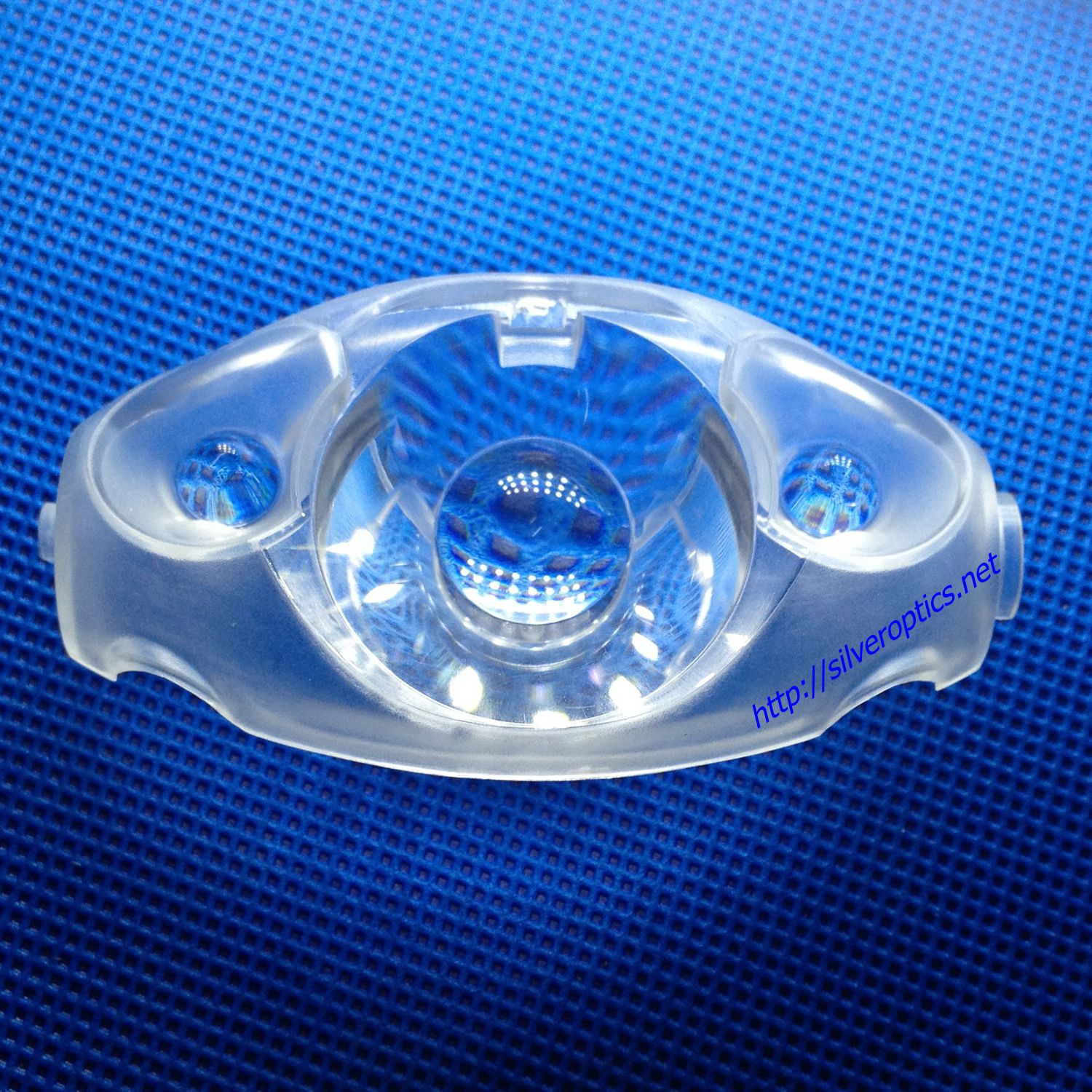
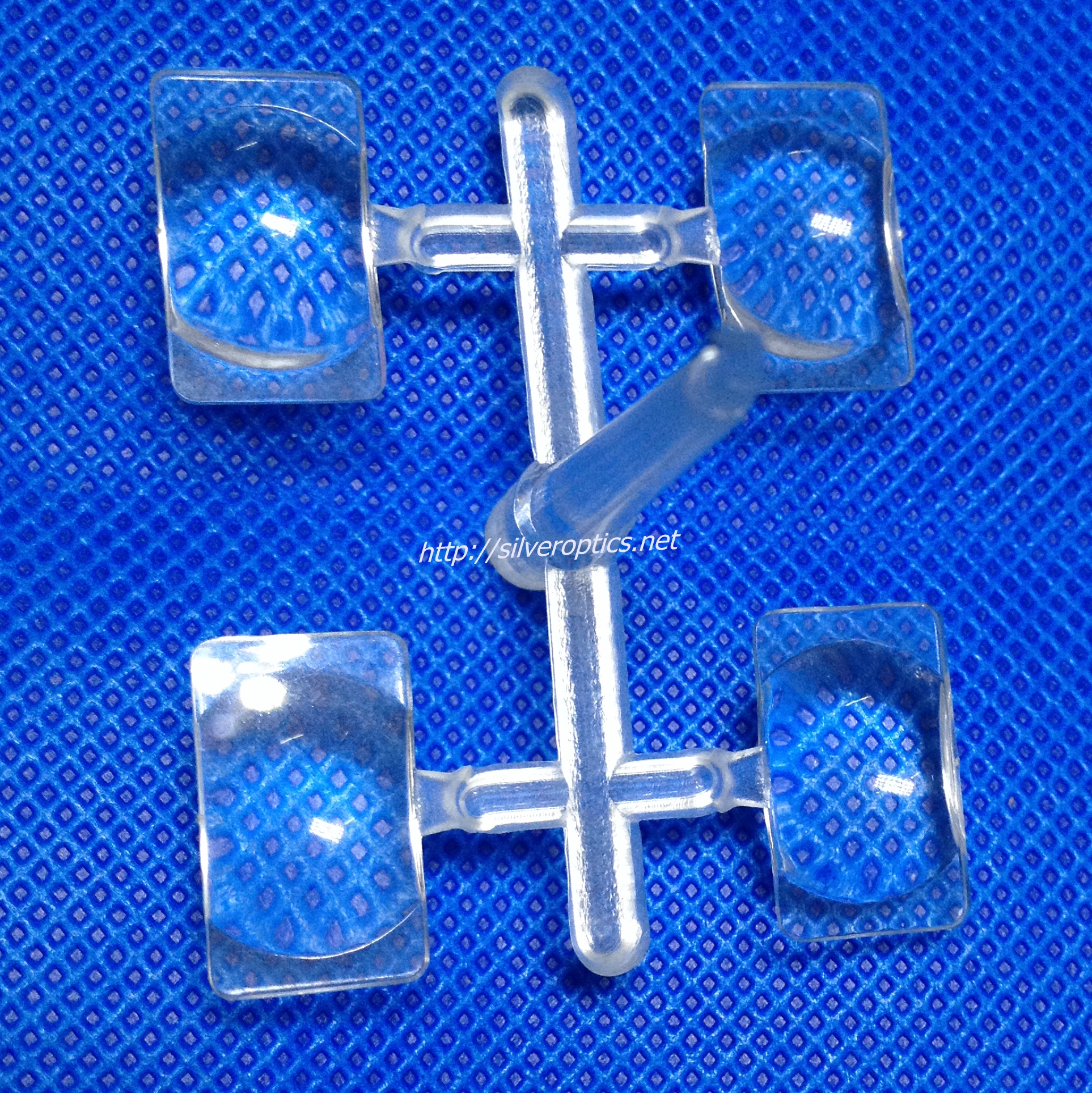
Equipped with multiple identical cavities (например, 4-cavity, 8-cavity, 16-cavity) for mass production of medium-to-low precision optical parts (например, eyeglass lenses, LED optical covers). The key design point is to achieve balanced filling of each cavity to ensure uniform product quality.
- Семейные формы для оптических компонентов
A single mold integrates multiple different cavities to produce a set of matching optical components (например, lens sets for a single optical module) at one time, which can reduce production costs and improve assembly efficiency.
Classified according to the precision level of the mold, which is the key indicator to distinguish the grade of optical molds.
- Ультрапрецизионные оптические формы
Precision grade: ≤ ±1 μm, surface roughness Ra ≤ 0.001 мкм. Used for manufacturing high-end optical components (например, aerospace optical lenses, semiconductor lithography lenses). The molds are made of high-hardness mold steel (например, SUS440C, SKD11) and undergo precision grinding and polishing.
- Высокоточные оптические формы
Precision grade: ±1~5 μm, surface roughness Ra 0.001~0.01 μm. Suitable for consumer electronic optical components (например, smartphone camera lenses, tablet computer lenses). It balances precision and production cost.
- Стандартные прецизионные оптические формы
Precision grade: ±5~10 μm, surface roughness Ra 0.01~0.1 μm. Used for low-end optical products (например, toy magnifying glasses, ordinary LED light covers) with relatively loose optical performance requirements.