
Литье пластиковой оптики, from trial to repeat production.
Bring the part design, material and optical requirement together before the first molding trial. Silver Optics supports custom plastic optical components, with the tooling, samples and production scope reviewed as one project.

A clear part is only the beginning.
A useful optic must also meet its dimensional, surface and functional requirements. Molding decisions need to account for how light passes through the part and how the part fits into the finished product.
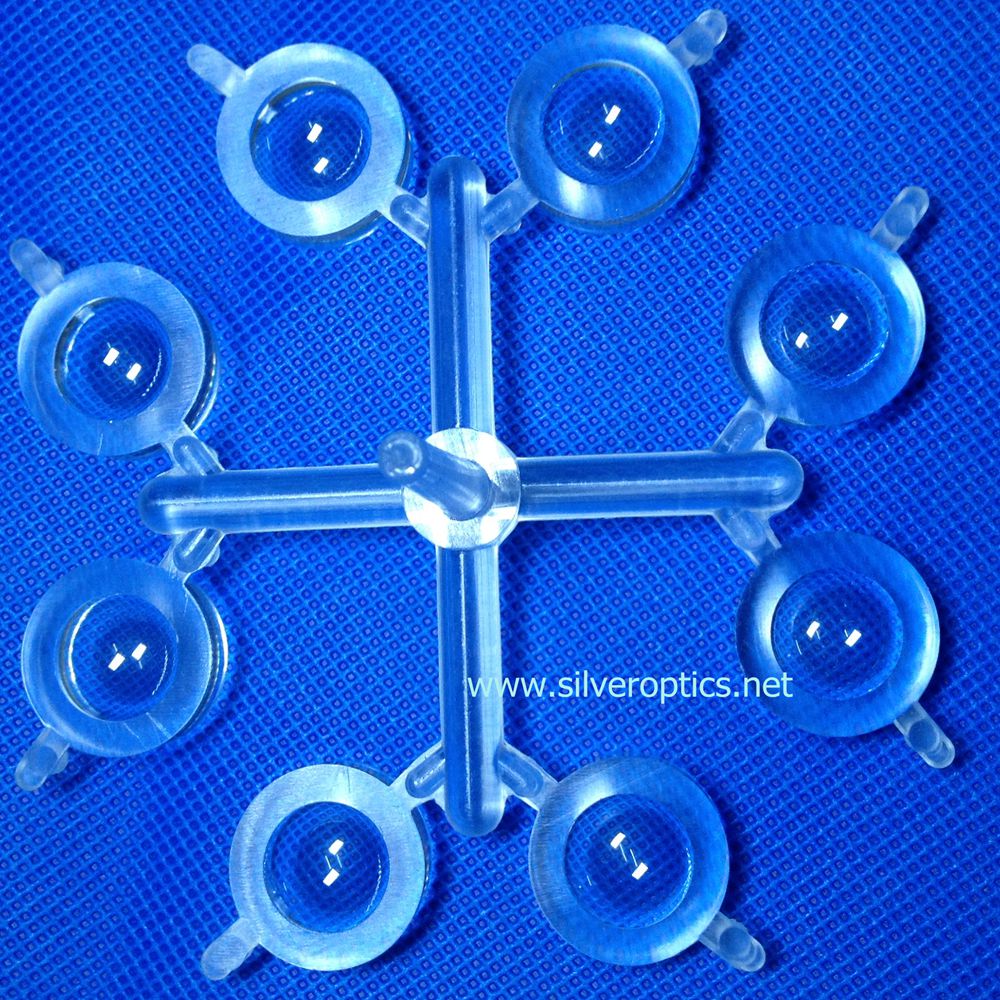
Choose the material for the job it must do.
PMMA and PC are among the materials identified in Silver Optics’ published molding information. A specific resin grade still needs review against the optical design, environment, mechanical load and downstream operations.
- State the material grade, supplier restriction and color requirements.
- Include operating temperature, light exposure and cleaning conditions.
- Review coating, bonding or assembly compatibility before final selection.
Treat flow, cooling and optical quality together.
Gates, thickness changes and processing conditions can influence the final optic. The trial plan should evaluate visible defects as well as the dimensional and optical characteristics that matter to the application.
- Mark the functional aperture and permitted gate or ejector locations.
- Review flow marks, sink, weld lines and local distortion where relevant.
- Define any stress or birefringence evaluation with a suitable test method.
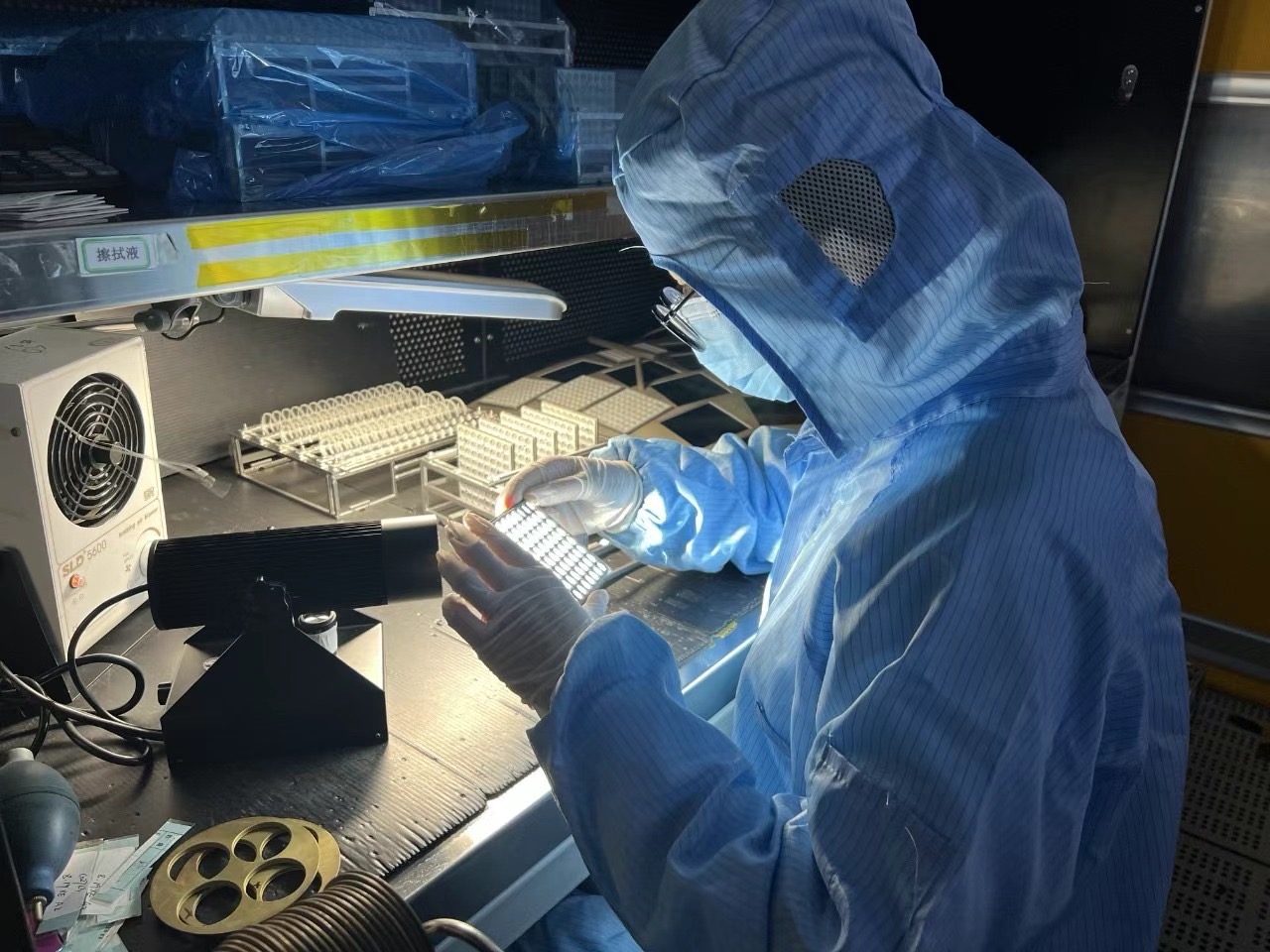
Keep the approved result recognizable.
Trial approval should establish a clear baseline for the next order. Record what was accepted, how it was measured and which revision applies. Handling and packaging are part of protecting the optical surfaces after molding.
- Agree trial quantity, sample identification and evaluation responsibility.
- Confirm inspection conditions, sampling and report requirements.
- Specify protected surfaces, packaging, labeling and delivery expectations.
Molded optical geometry, shown in context.
Review each component type together with its optical task, material and molding features. Application references do not establish a particular resin or production capability.
Lens arrays
Review element-to-element definition, cavity identification and the dimensional references used to evaluate each optical surface.
Световоды
Consider the useful optical path together with section changes, extraction features and assembly interfaces.
Optical covers
Define viewing areas, permitted cosmetic marks, local thickness and the surfaces that need protection in handling.
From the first drawing to an agreed next step.
- 01
Define the requirement
Supply the design, resin, application conditions and expected demand.
- 02
Review moldability
Align functional surfaces with gates, parting lines, cooling and release.
- 03
Evaluate trial samples
Compare the trial result with the agreed drawing and inspection plan.
- 04
Confirm production
Approve changes, отбор проб, packaging and delivery scope before release.
Measure the requirement the application depends on.
A project-specific plan sets the test method, measurement conditions and acceptance limits. General service descriptions are not a substitute for the approved drawing.
Geometry & fit
Check critical dimensions, datums and assembly features using the agreed references.
Поверхность & optical function
Define useful-aperture appearance and relevant performance checks, with stress evaluation where required.
Order traceability
Agree material identification, ревизию чертежа, sample records and the reports included with delivery.
Before your
project begins.
Can I request both a mold and molded optical parts?
Yes. State whether the inquiry covers a new optical mold, molded parts, or both. Include coating and assembly needs so the interfaces and delivery responsibilities can be reviewed together.
How should optical acceptance be specified?
Identify the useful aperture, optical performance and critical dimensions, then agree methods and limits. Include any fixture, Длина волны, orientation or environmental condition needed to make the result meaningful.
Can an existing part be used as the only reference?
A sample can help communicate appearance and fit, but controlled production needs an agreed drawing, material definition and acceptance plan. Any missing design information should be resolved before tooling or production is released.
Define the part. Then define the production route.
Send the current specification and mark any requirements still to be resolved. Материалы, процесс, tolerances and delivery scope are confirmed after technical review.
- Drawing, 3D model and revision
- Material grade and application environment
- Optical surfaces, critical dimensions and marking restrictions
- Trial quantity, production demand and target schedule
- Инспекция, покрытие, assembly and packaging requirements
