
- Prisme & Filtres
- Pièces optiques personnalisées
- Éclairage & Illumination
- Médical & Endoscopie
- Applications optiques
- Optiques automobiles
- Imagerie & Vision
- Capacités optiques
- Produits & Applications
- Ressources
- Optiques en verre sur mesure
- Moules optiques
- Revêtement optique
- Moulage Optique
- Outillage optique
- Vidéos d'outillage
- Électronique grand public
- Vision industrielle
- Lentilles Asphériques
- Lentilles Sphériques
Optiques automobiles
Applications optiques / Optiques automobiles
Bring vehicle optics into focus
Vehicle optics connect light, sensing and information with a demanding physical environment. From a lighting lens to an imaging window, the starting point is the same: define the optical function, the installation and the conditions the component must withstand. Bring those requirements together before choosing the manufacturing route.
Discutez de votre projet >Explorez l'application
01Éclairage & guides de lumière02Cameras & optical sensing03Display-related optics
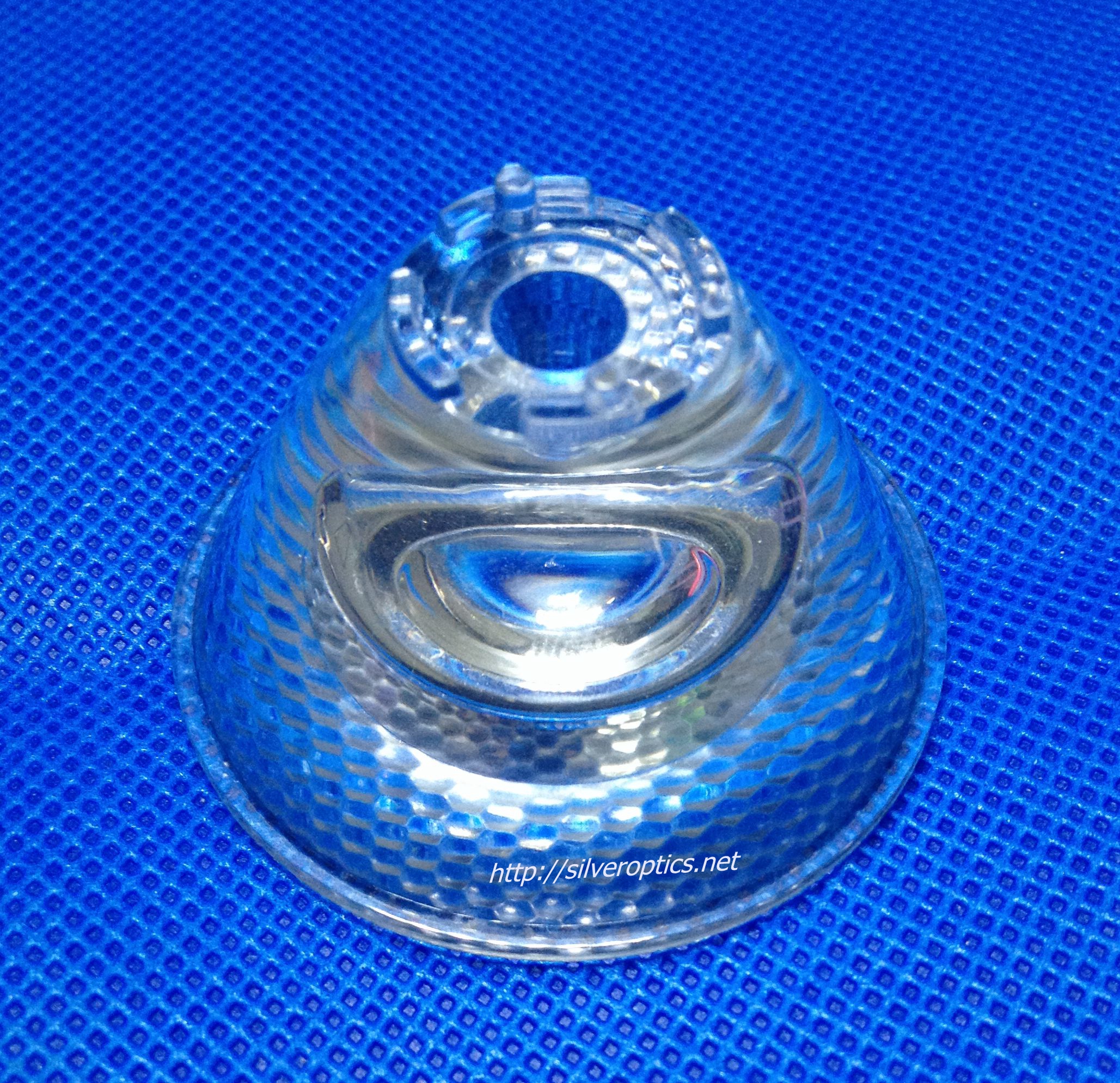
Éclairage
Shape the light around the source
A lighting optic needs a defined relationship with its emitter and housing. Start with the required beam pattern or visible illuminated area, then identify the surfaces that collect, guide and distribute light. Mounting references, source spacing and permitted molding features belong in the same review. Evaluate trial components in a representative assembly so a change in alignment is not mistaken for a change in optical surface quality. Material and coating choices should also reflect the temperature and exposure conditions at the intended installation.
- Beam pattern, target plane and measurement distance
- Emitter data, source-to-optic spacing and assembly datums
- Permitted gate, parting-line and handling locations
Optical sensing
Keep the sensing path clearly specified
For camera or optical-sensing components, a transparent appearance is only a starting point. Specify the operating wavelength range, clear aperture and required transmission, together with image-quality or beam-path requirements where they apply. Include the position of windows, filters and protective covers in the optical model. Surface reflections, coating coverage and installation angle should be reviewed against the complete sensing path and its acceptance method. Agree the relevant checks after specified environmental exposure as well as on the initial sample.
- Wavelength range, angle of incidence and clear aperture
- Transmission, reflection and relevant image-quality targets
- Window geometry, coating boundaries and housing interface
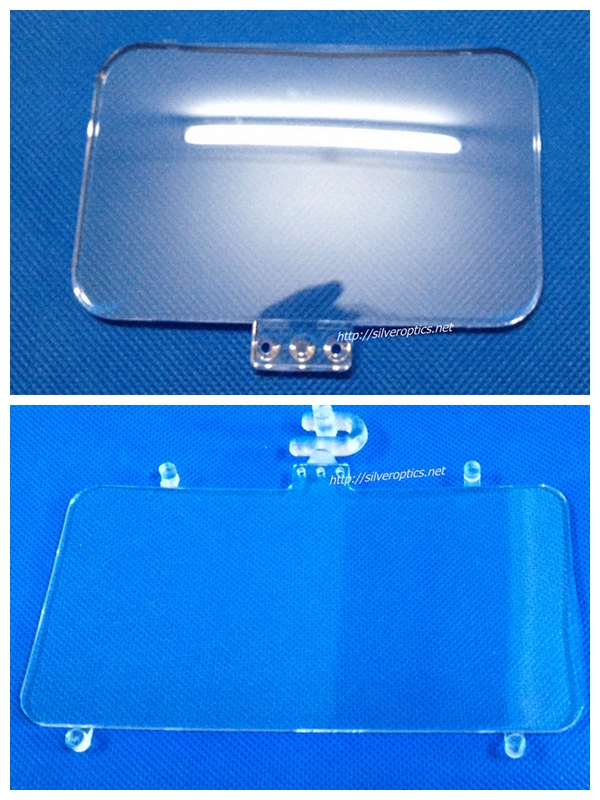
Displays
Connect the display surface to the viewing position
Display-related optics should be reviewed from the intended viewing position as well as at the component surface. Define the usable viewing region, optical path and image requirements before settling the mechanical envelope. Include mounting and coating requirements that could affect the finished part. A project review should establish which checks apply to the individual optic and which require evaluation within the complete display assembly. Identify customer qualification documents and reporting requirements early, with approval responsibilities recorded for the component and the complete system.
- Zone de visualisation, optical prescription and packaging envelope
- Image distortion and uniformity acceptance criteria
- Assembly references and component-versus-system test scope
Préparation du projet
Apporter ces détails à l'examen du projet
Connect the component drawing to its installation and qualification plan. Identify the tests, records and approval responsibilities required by the vehicle program.
- Current 2D drawing and 3D model with optical surfaces identified
- Source or sensor information and optical performance targets
- Interfaces de montage, material preferences and coating requirements
- Environmental test conditions and customer qualification documents
- Quantité d'essai, production demand, schedule and acceptance plan
- Required inspection records, qualification responsibilities and sample approval process
Commencer une conversation technique
Start with the optical task
Tell SILVER OPTICS how the component will function in the vehicle. Include the drawing, installation conditions and required test results so the proposed scope can be reviewed.
Discuss automotive optics >© Silveroptics 2026. Tous droits réservés
Propulsé par Silveroptics
Service
