
- Optiques automobiles
- Imagerie & Vision
- Capacités optiques
- Produits & Applications
- Ressources
- Optiques en verre sur mesure
- Moules optiques
- Revêtement optique
- Moulage Optique
- Outillage optique
- Vidéos d'outillage
- Prisme & Filtres
- Pièces optiques personnalisées
- Éclairage & Illumination
- Médical & Endoscopie
- Applications optiques
- Électronique grand public
- Vision industrielle
- Lentilles Asphériques
- Lentilles Sphériques
Vision industrielle
Applications optiques / Vision industrielle
Make the inspection task the optical specification
Industrial vision begins with a practical question: what must the system detect, measure or distinguish? Translate that task into a defined optical path, then connect the component to the camera, illumination and installation. A clear specification makes material, la géométrie, coating and acceptance decisions easier to review.
Discutez de votre projet >Explorez l'application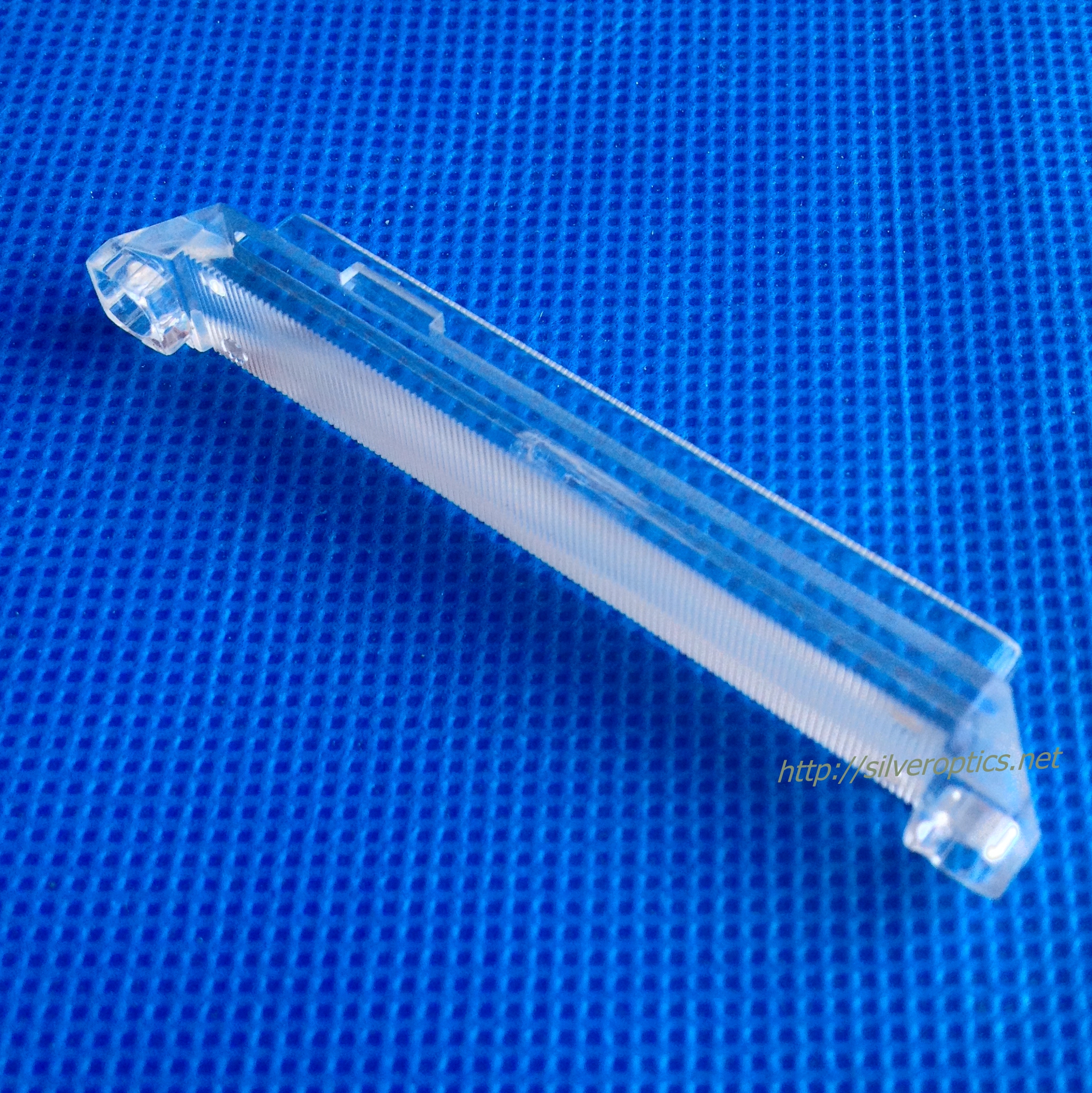
01Inspection & mesure02Illumination & contrast03Mounting & environnement
Inspection geometry
Start with the feature that matters
Define the object and the inspection result before selecting a lens component. Include the feature size, le champ de vision, working distance and sensor information, together with any motion or depth variation that affects the task. State the required resolution, distortion or measurement repeatability with a defined test method. The component specification should support these system needs without treating a lens photograph as evidence of inspection performance. Use a defined object or reference sample and document the camera settings needed to reproduce the acceptance test.
- Object features, sensor information and field of view
- Working distance, depth variation and motion conditions
- Résolution, distortion and measurement acceptance criteria
Illumination & filters
Review illumination and spectral control together
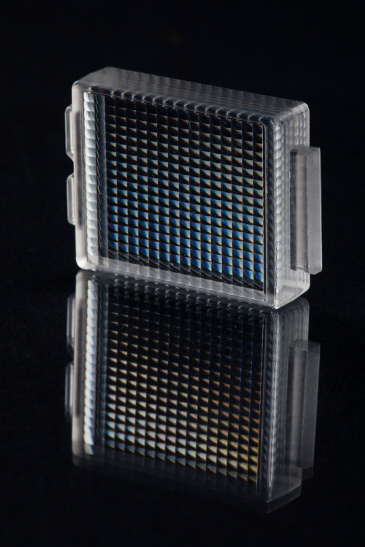
Image contrast depends on the relationship between the object, light source and viewing geometry. Specify the illumination spectrum and direction, then identify the role of any filter, window or coating in the path. For wavelength-selective components, include angle of incidence and polarization requirements where relevant. Evaluate the proposed specification against the actual camera and illumination arrangement, including ambient light conditions that could affect the inspection. Include the cleaning and contamination conditions relevant to exposed optical surfaces when preparing the material and coating requirements.
- Source spectrum, illumination geometry and ambient conditions
- Transmission or reflection targets and incidence angle
- Filter, window and coating requirements in the optical path
System integration
Keep optical and mechanical references connected
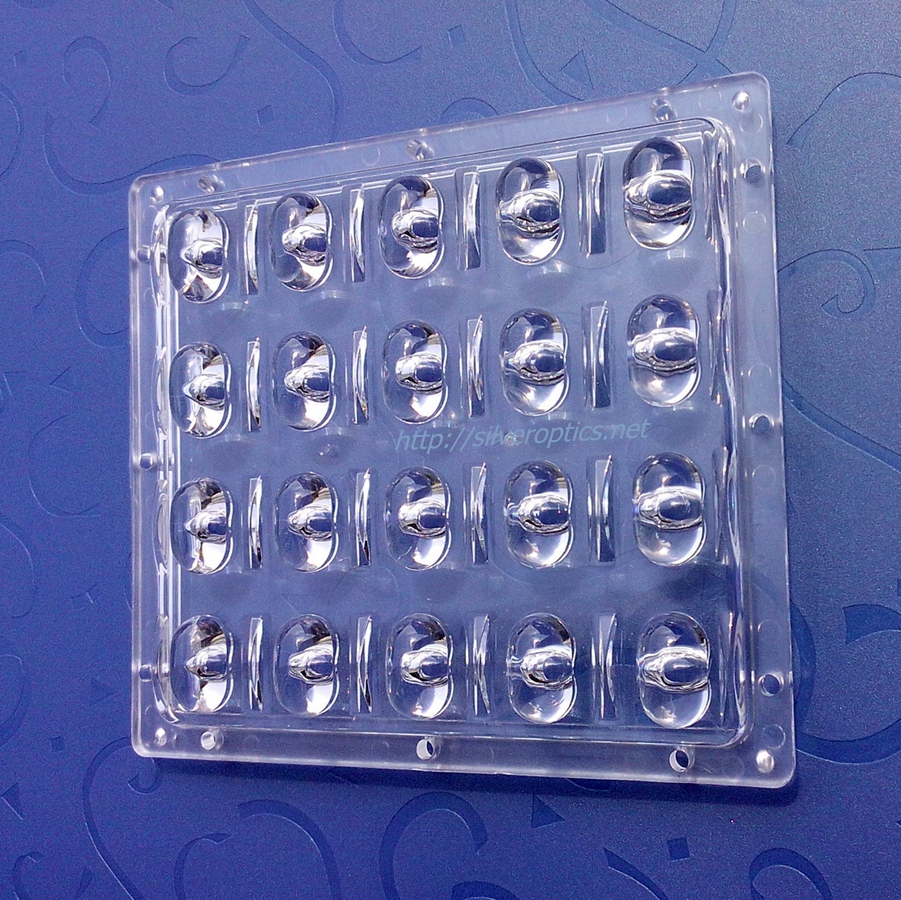
A vision component needs a defined position in the installed system. Link optical surfaces to the seating and locating features used by the mount, and show the clear aperture relative to those references. Include assembly clearance and any loading conditions that matter. When a component is checked in a fixture, record the support and alignment conditions so the result can be related to the production installation. Specify temperature, vibration and cleaning exposure, with any required post-exposure checks included in the repeat-order acceptance plan.
- Optical-axis relationship to the mechanical datums
- Ouverture utile, seating features and assembly clearance
- Inspection fixture, support points and alignment method
Préparation du projet
Apporter ces détails à l'examen du projet
Include the factory-floor conditions as well as the initial optical result. A repeatable acceptance plan should reflect the intended camera, illumination and mounting arrangement.
- Inspection task, caractéristiques de l'objet et résultat de mesure requis
- données de la caméra ou du capteur, plage de longueurs d'onde et géométrie de fonctionnement
- dessin du composant, interfaces de montage et ouverture libre
- Illumination, exigences de revêtement et d'installation
- méthode d'acceptation, quantités, calendrier et enregistrements requis
- Température, vibrations, la poussière, conditions de nettoyage et éventuelles vérifications après exposition
Commencer une conversation technique
Inclure le défi d'inspection dans le brief
Partager la tâche optique et les conditions d'installation avec SILVER OPTICS. Inclure la caméra, context d'illumination et de montage nécessaire pour examiner le composant individuel.
Discuter des optiques pour vision industrielle >© Silveroptics 2026. Tous droits réservés
Propulsé par Silveroptics
Service
