Électronique grand public

Accueil Produits & Applications Applications optiques Électronique grand public Caractéristiques clés des matériaux plastiques optiques

Caractéristiques clés des matériaux plastiques optiques

Enquête
  • Description

Caractéristiques clés des matériaux plastiques optiques

Optical plastic materials are polymer-based materials tailored for optical applications, and their core characteristics distinguish them from traditional optical glass, making them ideal for mass-produced, lightweight optical components. The main characteristics are as follows:
  1. Excellent Optical Transparency

    Most optical plastics have high light transmittance in the visible light spectrum. Par exemple, PMMA (polyméthacrylate de méthyle) achieves a transmittance of up to 92%, close to that of optical glass, while COP (cyclo olefin polymer) et COC (cyclo olefin copolymer) offer ultra-low birefringence and high clarity, meeting the requirements of high-precision optical systems like ADAS cameras.

  2. Propriété de légèreté

    Optical plastics have a much lower density than optical glass (typically 1.0–1.2 g/cm³ vs. glass’s 2.5–3.0 g/cm³). Components made of these materials are 30–50% lighter than glass equivalents, a critical advantage for weight-sensitive applications such as automotive lighting and portable consumer electronics.

  3. High Impact Resistance & Shatterproof Performance

    Unlike brittle glass, optical plastics (especially PC (polycarbonate)) exhibit strong toughness and impact resistance. They do not shatter upon collision or drop, enhancing the safety and durability of optical devices, which is why PC is widely used for automotive headlamp lenses and protective optical covers.

  4. Superior Design Flexibility & Moldability

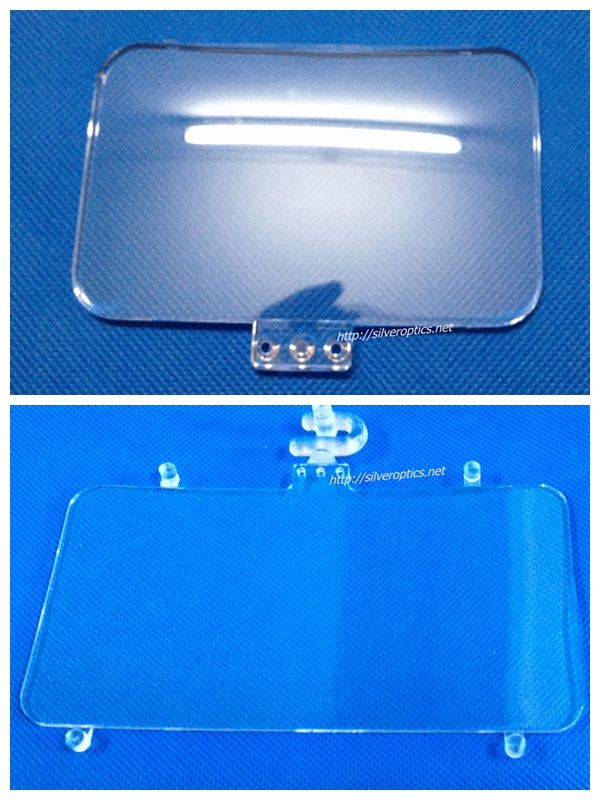
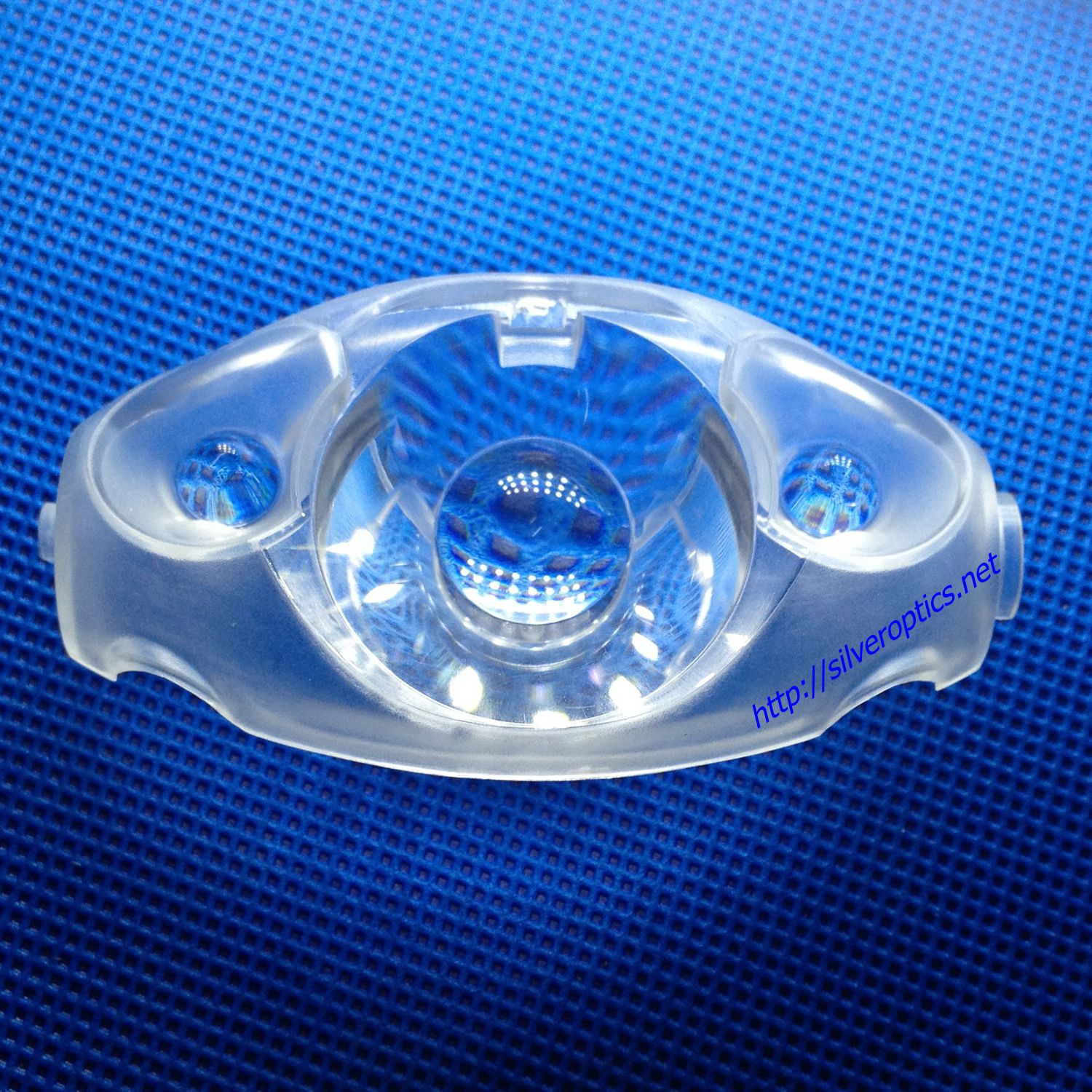
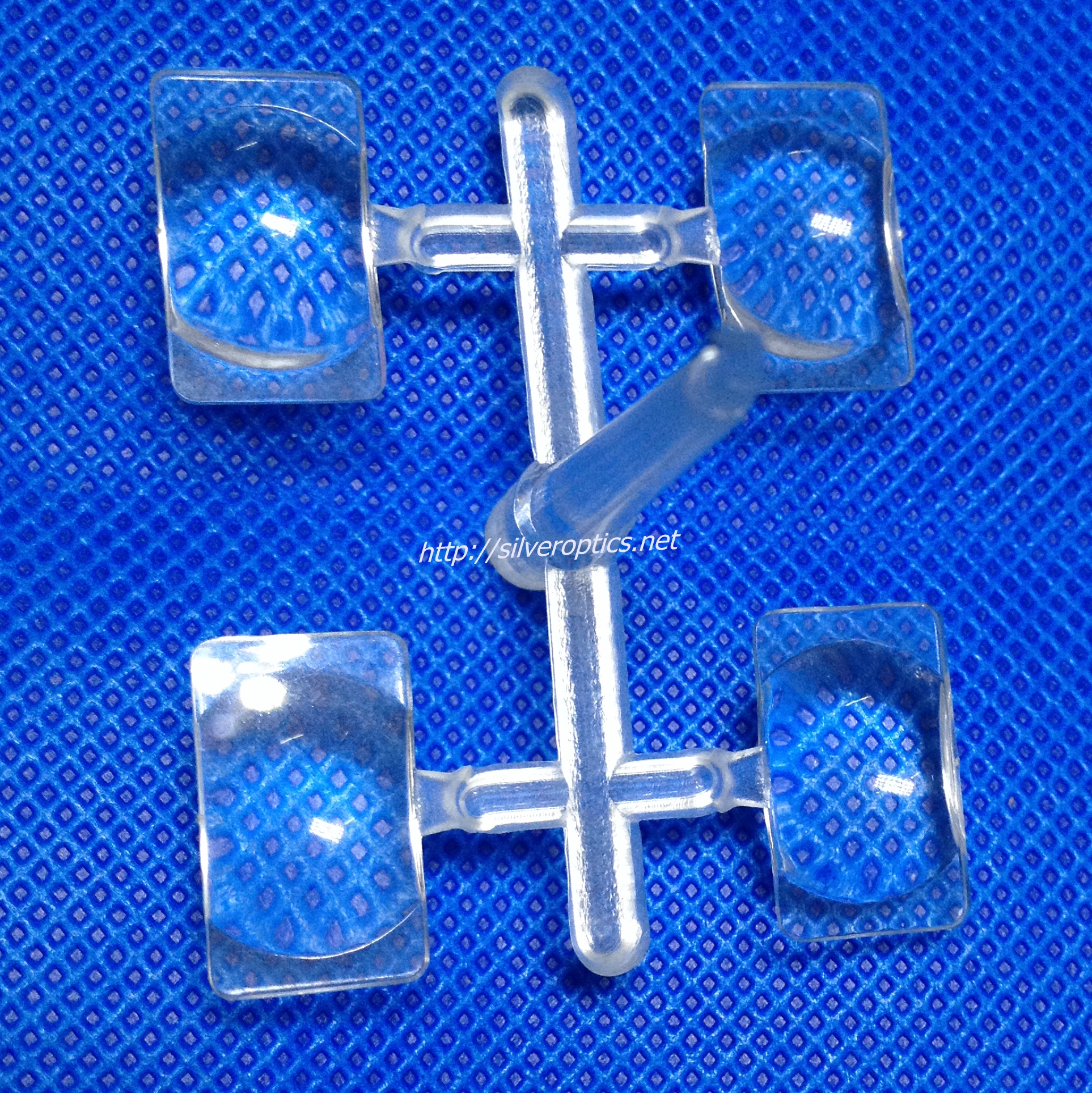
    Optical plastics can be easily molded into complex geometries (Par exemple,, lentilles asphériques, integrated light guides) via injection molding or hot embossing. This moldability allows for the integration of assembly features (Par exemple,, mounting clips) into a single component, simplifying production processes and reducing part counts.

  5. Cost-Effectiveness for Mass Production

    The low raw material cost and compatibility with high-efficiency molding processes enable optical plastics to support large-scale production at a fraction of the cost of glass processing (which requires grinding and polishing). This makes them the preferred choice for cost-sensitive applications like smartphone camera lenses.

  6. Tailorable Optical Properties

    Different optical plastics have adjustable refractive indices, dispersion coefficients, and UV resistance, enabling customization for specific applications. Par exemple, COP/COC materials have low water absorption, ensuring stable optical performance in humid environments, while silicone-based optical plastics offer flexibility for adaptive optical components.

  7. Limitations to Note

    Compared with glass, optical plastics have lower thermal stability (prone to deformation at high temperatures), lower surface hardness (susceptible to scratches), and higher thermal expansion coefficients. These drawbacks can be mitigated via surface coating technologies (Par exemple,, anti-scratch HC coatings, anti-reflection AR coatings) and material modification.

CATÉGORIE ET ÉTIQUETTES:
Électronique grand public

ENVOYER UNE DEMANDE

Nom *

Email *

Téléphone

Message

Vérification *     + = ?

Produits connexes

  • Logo SilverOptics

    Fabrication de lentilles et optiques en verre et plastique de précision.

    Votre solution unique pour l'ingénierie optique avancée.

  • Contactez-nous

    Tél: +86 13530516428
    Email: sales@silveroptics.net
    Adresse: No.10 Rue Zhenye, Xianxi, Changan, Dongguan, Guangdong, Chine
    Code postal: 523850