
- Оптические возможности
- Продукция & Применения
- Ресурс
- Индивидуальная стеклянная оптика
- Оптические формы
- Оптическое покрытие
- Оптическое формование
- Оптическое оснащение
- Видео об инструментах
- Призма & Фильтры
- Индивидуальные оптические детали
- Освещение & Интенсивность света
- Медицинское & Эндоскопия
- Оптические приложения
- Автомобильная оптика
- Изображение & Зрение
- Потребительская электроника
- Промышленное зрение
- Асферические линзы
- Сферические линзы
Waveplate RFQ: Tie the Fast Axis to a Mechanical Datum
Запрос- Описание
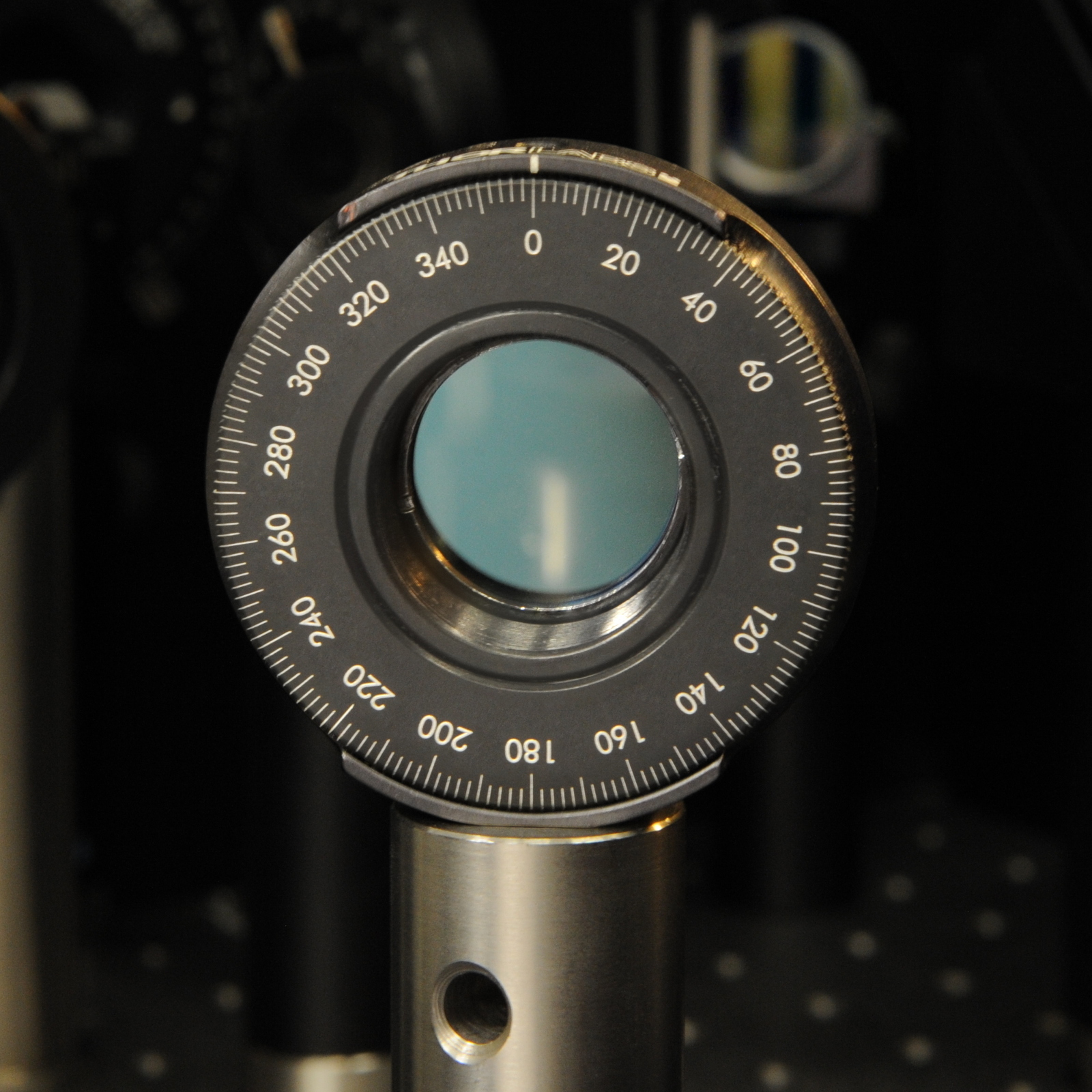
A waveplate can meet its retardance requirement and still be installed at the wrong angle. The optic introduces a phase difference between two orthogonal polarization components. Its fast axis therefore needs a mechanical reference that an assembler can find after the optic is seated, not just a mark shown on a separate illustration.
Define the view and the datum
Show the light propagation direction and identify the side used to read the angle. Use a physical reference such as a keyway, a flat or a pin centerline. State the angle between that reference and the fast axis, including its tolerance. If the assembly mark is on a separate ring, specify how that mark is aligned to the optic and whether it remains visible after final assembly.
Separate axis orientation from retardance
Report orientation error separately from retardance error. Define nominal retardance at the operating wavelength, or give the acceptable range across the specified band. If the light enters at an angle or the optic sees a temperature range that matters to performance, state those conditions explicitly. A correct axis mark does not demonstrate the optic meets either the retardance or operating-band requirement.
Ask for an inspection result that assembly can use
Request the inspected drawing revision, test wavelength, axis reference, measured angle and deviation. Identify whether the test checks an individual mounted optic or samples from a lot. A setup photo with the viewing side identified can resolve ambiguity without turning the reference photo into an acceptance gauge.
For system context, see SilverOptics’ optical design overview. For definitions and examples, see Edmund Optics’ waveplate guide.
Ресурс, Блоги
ОТПРАВИТЬ ЗАПРОС
Сопутствующие товары
© Silveroptics 2026. Все права защищены
Руководствовался Silveroptics
