
Optical coatings, specified for the light that matters.
Connect the surface treatment to the light your component needs to control. Bring Silver Optics your coating requirement, substrate details and drawing for a project-specific review.

Begin with the optical requirement
A useful coating brief connects spectral performance with the finished component. Define what the light should do, where the coating belongs and how the part will be used. The proposed coating, substrate compatibility and delivery scope need confirmation for each project.
Specify the light, then the surface
State the wavelengths that matter and the required transmission or reflection. Include the working angle and polarization where relevant. These conditions belong in the specification because a coating's response depends on how light reaches the surface.
- Operating wavelength range
- Transmission or reflection targets
- Incidence angle and polarization
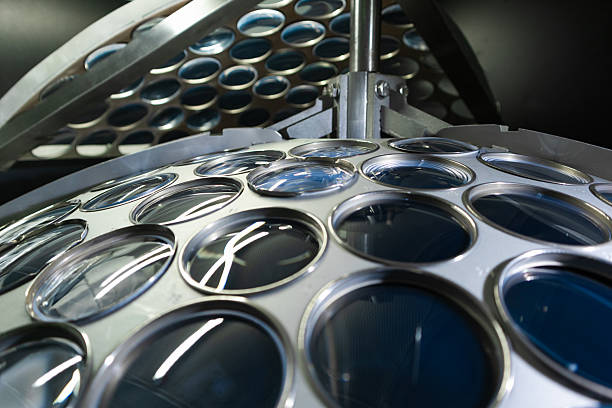
Review the substrate as a whole
Share the material designation, geometry and condition of the incoming component. Mark the coated faces, clear aperture and areas that must remain untreated. Include any existing surface treatment so compatibility can be evaluated before the scope is agreed.
- Material and drawing revision
- Coated faces and exclusions
- Existing treatments and handling limits
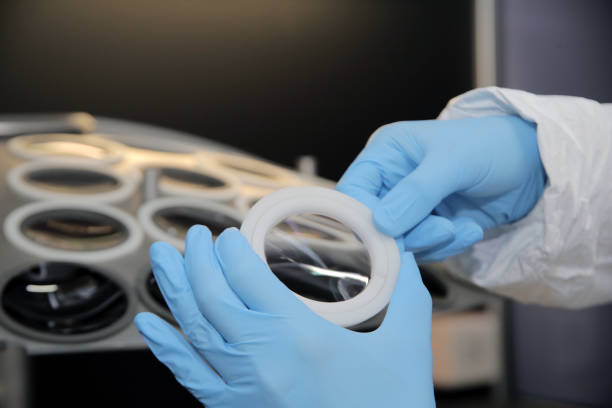
Plan for use, cleaning and assembly
Describe the conditions the finished part will encounter, including cleaning, temperature changes and environmental exposure. Identify contact areas and assembly steps that could affect the optical surfaces. Any durability evaluation and handling instructions should be agreed alongside optical acceptance.
- Service and storage conditions
- Cleaning and handling requirements
- Mounting and assembly interfaces
Coated component requirements
Use these component categories to frame your inquiry. Suitability, geometry and supply scope are reviewed for the individual project.
Lens surfaces
Identify each optical face, its aperture and the performance required across the working wavelength range.
Transmitting windows
Specify both faces, installation orientation and the transmission requirement for the assembled optical path.
Mounted optical elements
Connect coated-face requirements with the working orientation, mounting areas and handling constraints.
From the first drawing to an agreed next step.
- 01
Share the brief
Send the drawing, material information and optical targets together.
- 02
Confirm feasibility
Review compatibility, exclusions and responsibilities before agreeing the proposed scope.
- 03
Evaluate samples
Agree any sample stage and the evidence needed for acceptance.
- 04
Release the specification
Record approved requirements, reporting, packaging and delivery expectations.
Make acceptance measurable
Define the test conditions and required records before work begins. The inspection plan should address the agreed component and coating requirements.
Spectral performance
State measurement wavelengths, angle and polarization, together with the limits that determine acceptance.
Surface condition
Agree appearance criteria and the regions to inspect, including coated boundaries and the clear aperture.
Durability and records
Identify required environmental or cleaning evaluations and agree their methods, samples and reporting.
Before your
project begins.
Can I specify a coating by its color?
Appearance is insufficient for an engineering specification. Provide the intended optical response and measurement conditions.
Can a coating be transferred between substrates?
Compatibility needs review for the specific material, geometry and surface condition. Avoid assuming an existing specification transfers unchanged.
Can I request coating separately?
State whether you need coated components or coating of supplied parts. We confirm the available delivery scope for your project.
Discuss your coating requirement
Send the current specification and mark any requirements still to be resolved. Materials, process, tolerances and delivery scope are confirmed after technical review.
- Current drawing and coated surfaces
- Substrate material and existing treatments
- Spectral targets and working conditions
- Inspection, durability and reporting needs
- Quantity, sample needs and schedule
