
- OPtical Coating
- Optical Molding
- Optical Tooling
- Tooling Videos
- Prism & Filters
- Custom Optical Parts
- Lighting & Illumination
- Medical & Endoscopy
- Optical Applications
- Automotive Optics
- Imaging & Vision
- Optical Capabilities
- Products & Applications
- Resource
- Custom Glass Optics
- Optical Molds
- Consumer Electronics
- Industrial Vision
- Aspheric Lenses
- Spherical Lenses
Imaging & Vision
Optical Applications / Imaging & Vision
Build the image from the optical surface up
Imaging performance starts with a connected specification. The lens surface, material, coating and mounting reference all contribute to the final optical path. Define what the system must resolve, transmit or measure, then translate those goals into component requirements that can be manufactured and checked.
Discuss your project >Explore the application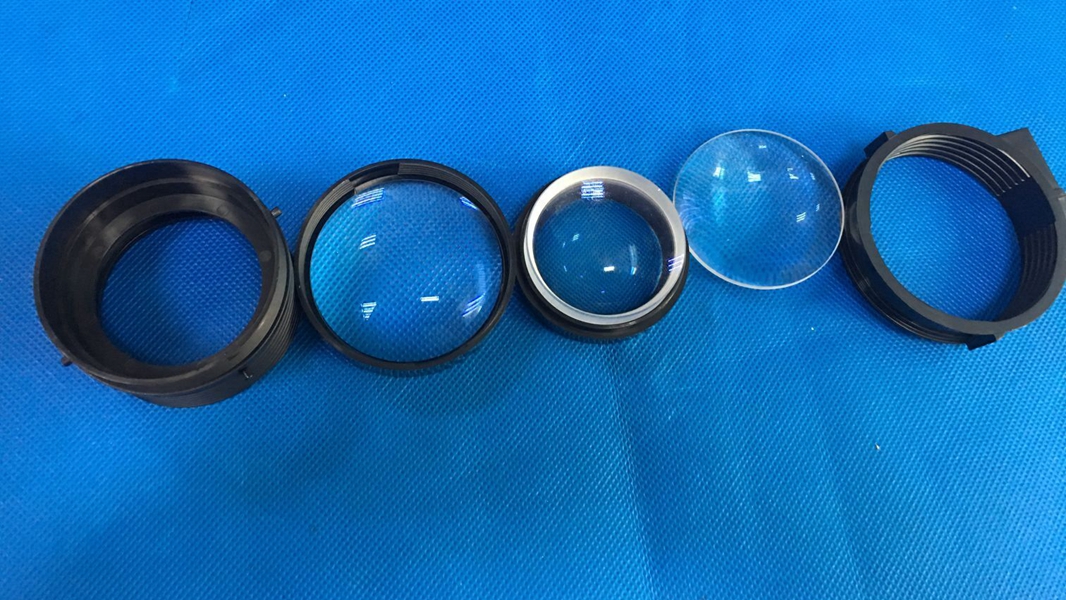
01Imaging requirements02Materials & coatings03Alignment & acceptance

Image formation
Specify the image the system needs
Begin with the object, sensor and working geometry. Define the field of view, working distance and aperture, then state the required image quality across the useful field. Resolution, distortion and transmission need defined test conditions rather than broad descriptions such as high clarity. If an optical prescription already exists, provide it with the component drawing and identify the requirements that are essential to system performance. The acceptance plan should distinguish the individual element from the assembled optical system and identify any shared test fixture.
- Sensor format, field of view and working distance
- Optical prescription, aperture and wavelength range
- Resolution, distortion and transmission test conditions
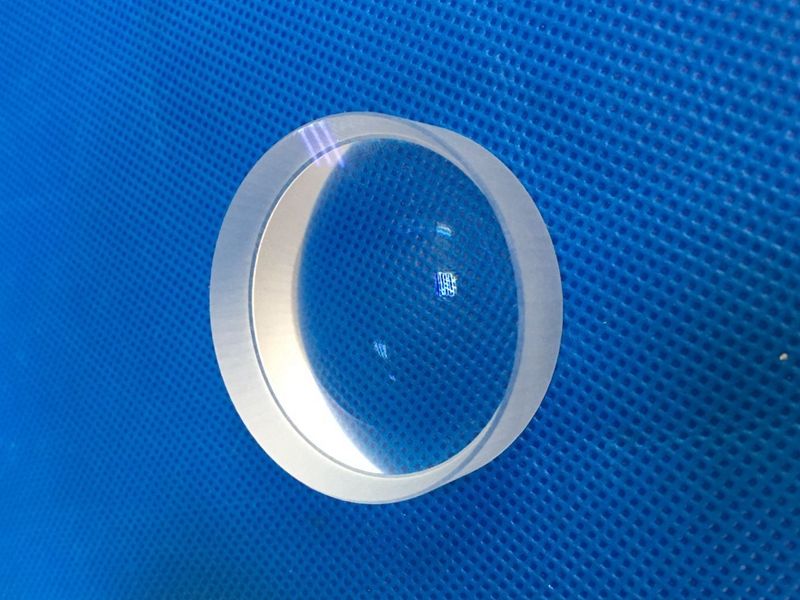
Material & coating
Choose material and coating as one optical decision
Glass and optical polymers should be compared against the actual wavelength range, geometry and operating environment. Material data alone does not establish the performance of a finished lens. Include component thickness, surface requirements and any coating in the assessment. For coated optics, define the usable aperture and incidence conditions so the proposed substrate, finish and coating can be reviewed as a connected specification. Test the finished specification at the agreed inspection stage, including downstream operations that could influence the optical result.
- Proposed material or material-selection constraints
- Transmission or reflection targets and incidence conditions
- Coating coverage, surface quality and environmental exposure
Mechanical alignment
Give the optical axis a mechanical reference
A lens must locate predictably in its assembly. Define the relationship between the optical surfaces and the seating, centering or alignment features used by the mount. Identify the clear aperture separately from handling and contact areas. Where mounting loads could influence the result, specify the support and test conditions. This connects component inspection to the way the lens will actually be positioned and evaluated. Link sample identity and drawing revision to the inspection records so later comparisons use the same reference system.
- Optical-axis relationship to the agreed mechanical datums
- Seating surfaces, clearances and permitted contact areas
- Free-state and mounted inspection conditions where relevant
Project preparation
Bring these details to the project review
Connect each optical target to a drawing, material choice and repeatable measurement. Include the assembly and downstream operations that affect final acceptance.
- Component drawing, optical prescription and current revision
- Sensor or object information, field of view and working distance
- Wavelength range, image-quality targets and clear aperture
- Material, coating, mounting and environmental requirements
- Sample quantity, expected demand and agreed acceptance method
- Inspection fixture, sample identification, reporting format and final test stage
Start a technical conversation
Turn the optical requirement into a component brief
Share the image requirement and component specification with SILVER OPTICS. Material, process, coating and achievable tolerances can then be reviewed for the individual part.
Discuss imaging optics >© Silveroptics 2026. All rights reserved
Powered by Silveroptics
Service
