Consumer Electronics
Optical Applications / Consumer Electronics
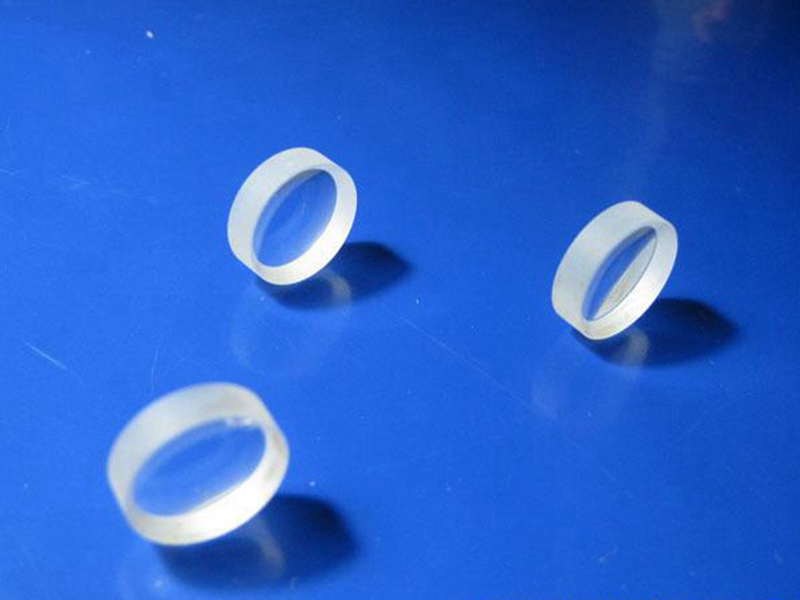
Optical performance in smaller spaces
Compact products place optical surfaces close to sensors, emitters, displays and mechanical features. A useful design balances the light path with the space available for assembly and production. Review the optical function, material and mounting details together, whether the component belongs in a wearable, a portable device or an illuminated interface.
Discuss your project >Explore the application
Compact assemblies
Protect the optical path inside the package
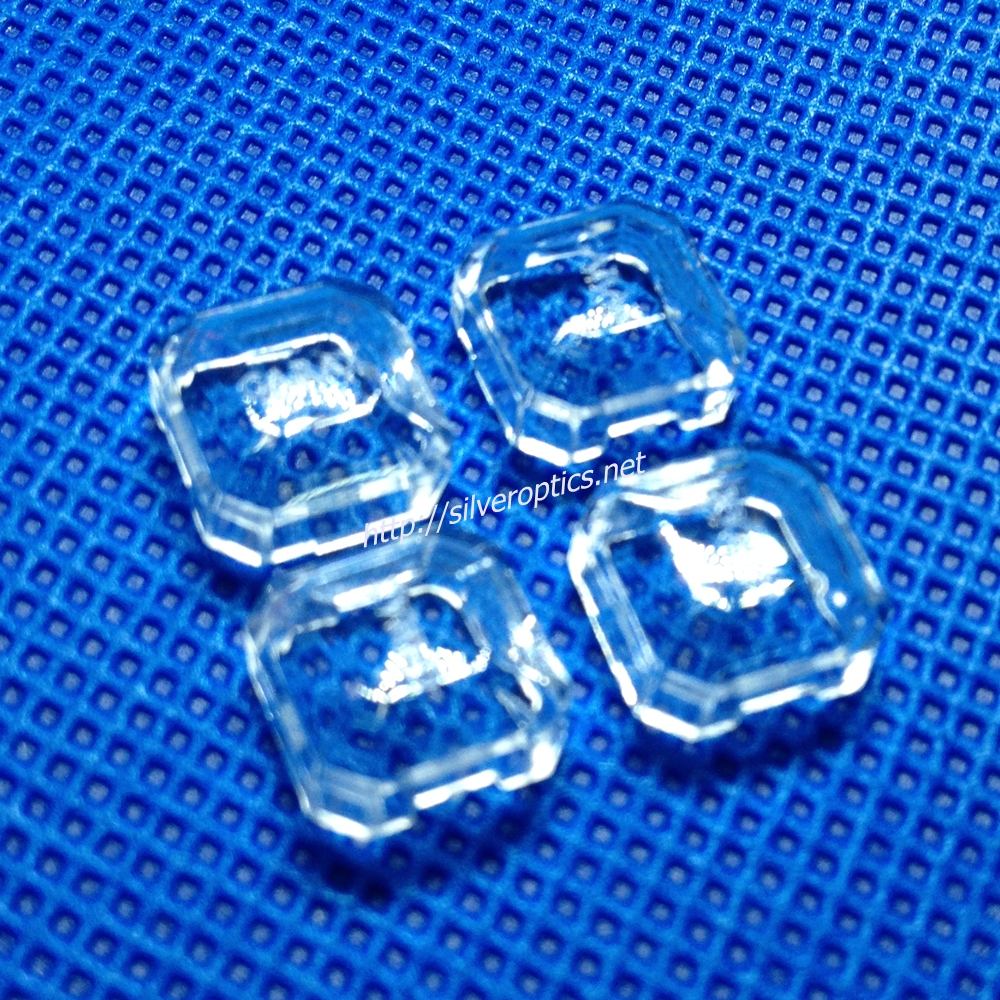
Start with the usable envelope and the surfaces that must remain optically active. Identify the sensor or emitter position, the clear aperture and the interfaces that locate the component. Small packaging changes can alter alignment or introduce unwanted contact with an optical surface. Review the complete assembly stack alongside the part model so mechanical fit and optical function are assessed on the same basis. For molded designs, identify thickness transitions and allowable process marks before the optical envelope and tooling requirements are finalized.
- Available envelope, source or sensor location and optical path
- Clear aperture, assembly datums and interface tolerances
- Keep-out areas for contact, adhesive, gates and ejector marks
Wearables & displays
Define the viewing experience in measurable terms
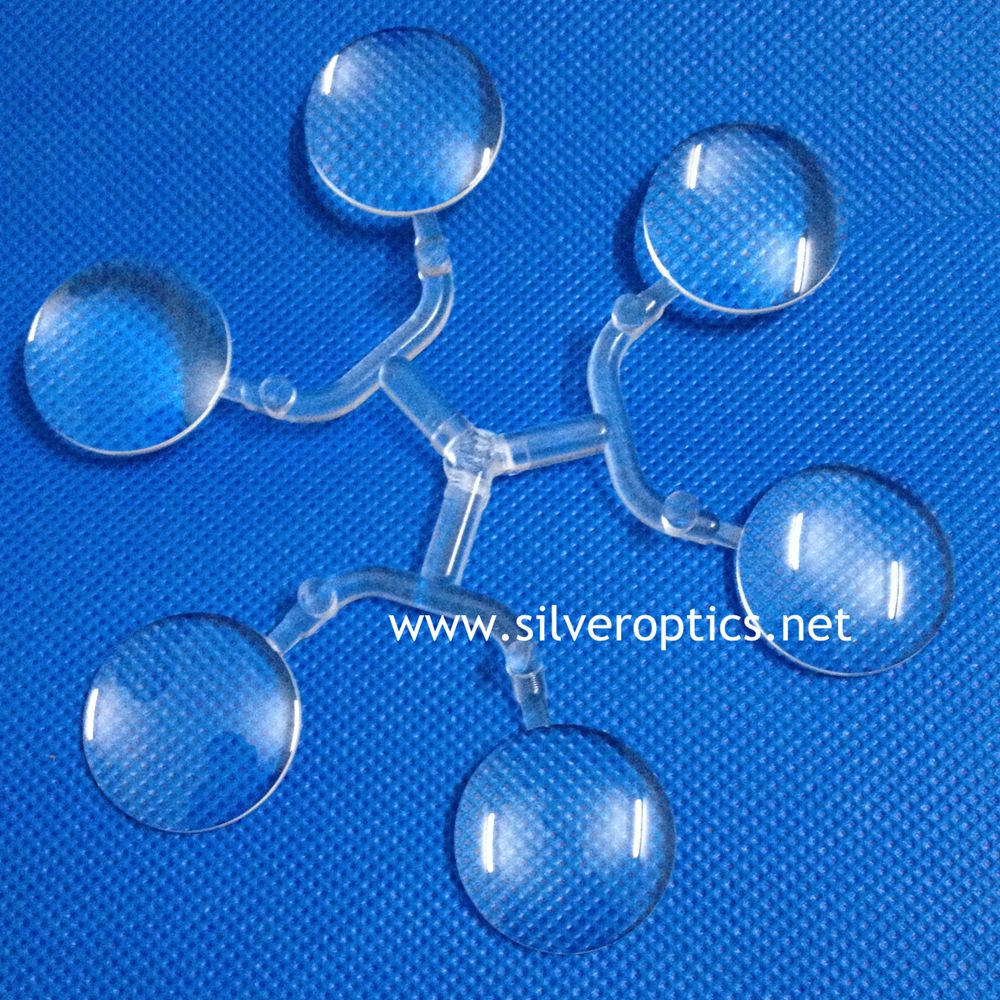
For wearable or display-related optics, translate the intended viewing experience into a defined optical brief. State the viewing region, image requirements and space available, with an optical prescription where one has been developed. Candidate lens forms, including structured surfaces, require review against the material and manufacturing route. Acceptance should use agreed viewing and measurement conditions rather than a visual impression of an isolated component. Confirm the proposed production and finishing scope against the individual design rather than assuming a universal process or capacity.
- Viewing region, optical path and component envelope
- Image-quality, transmission and surface requirements
- Proposed surface geometry and defined evaluation conditions
Illuminated interfaces
Make indicators and light guides part of the design
Illuminated interfaces need a controlled relationship between the light source, guide and visible surface. Specify where light enters and where the user should see it, then define the desired distribution and viewing directions. Include the housing and any masking features in the review. Compare samples with consistent source drive and alignment so brightness variation can be traced to the component, assembly or test setup. Check the separated, finished component in the intended assembly and define sample approval before moving into production.
- Emitter data, input surfaces and source spacing
- Visible region, luminance targets and viewing geometry
- Housing, masking features and repeatable assembly conditions
Project preparation
Bring these details to the project review
Bring the optical and mechanical teams into the same review. Include molding restrictions and the acceptance criteria for separated, finished samples.
- Current component model and surrounding assembly geometry
- Sensor, emitter or display information and required optical result
- Material preferences, finish and coating requirements
- Permitted molding marks and critical assembly references
- Trial and production quantities, schedule and sample approval criteria
- Material and part identification, finished-sample inspection and production release requirements
Start a technical conversation
Make the next design review more useful
Send SILVER OPTICS the component model, optical targets and assembly context. A clear brief helps connect tooling and molding decisions to the product you are developing.
Discuss consumer optics >