Case Study · Process reference
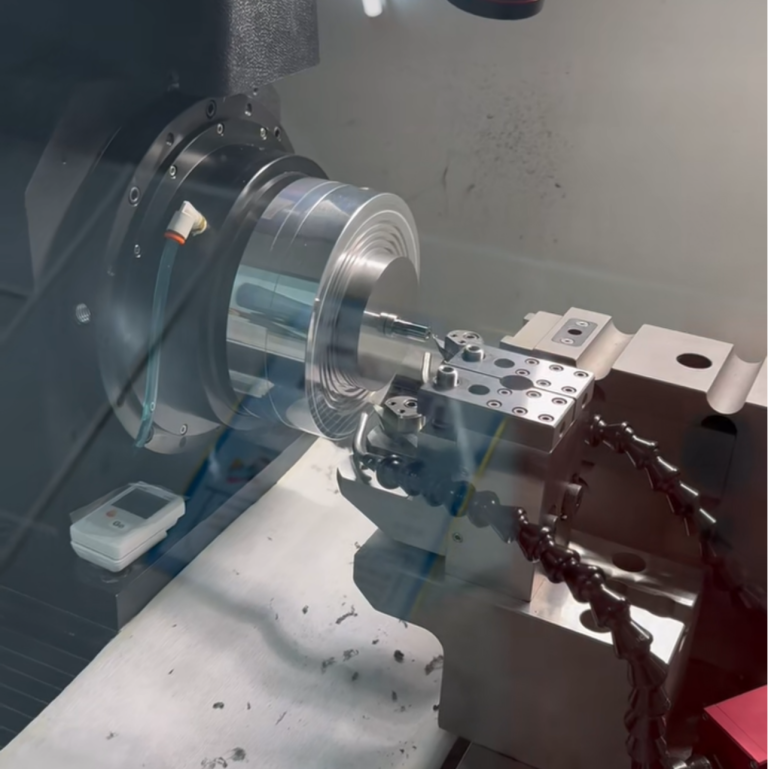
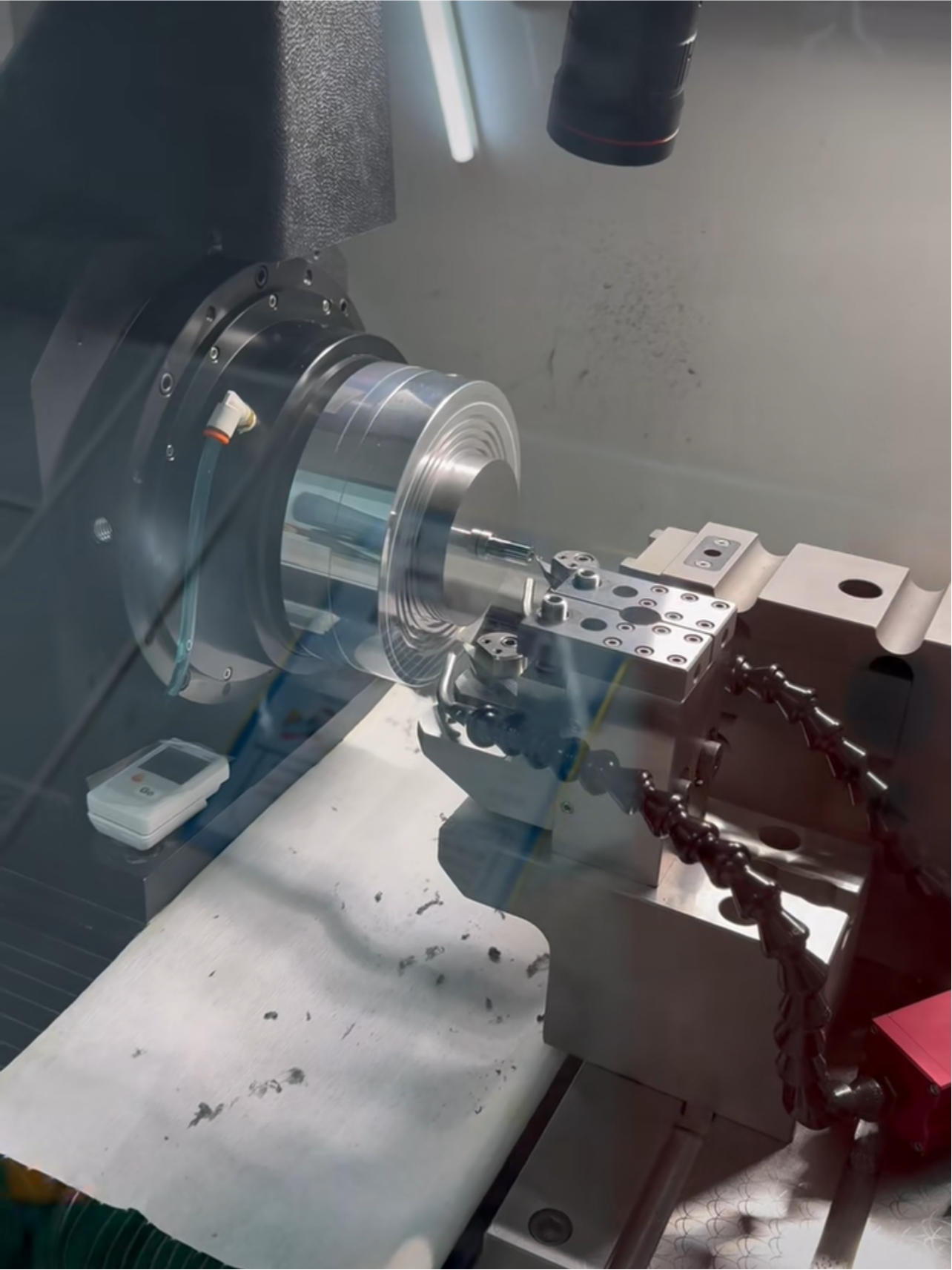
Diamond-Turned Optical Inserts: Planning Surface Acceptance
A process-led study connects optical geometry, cutting-surface identification, texture reporting and mounting datums in a practical mold-insert review.
A process-led study connects optical geometry, cutting-surface identification, texture reporting and mounting datums in a practical mold-insert review.
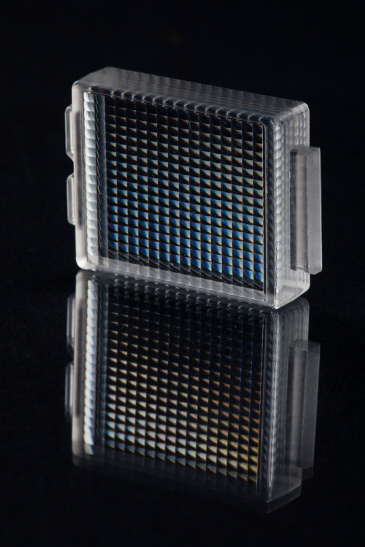
A comparison of three geometries in the Silver Optics sample portfolio shows how feature addressing, surface coverage and sample identity shape an inspection plan.
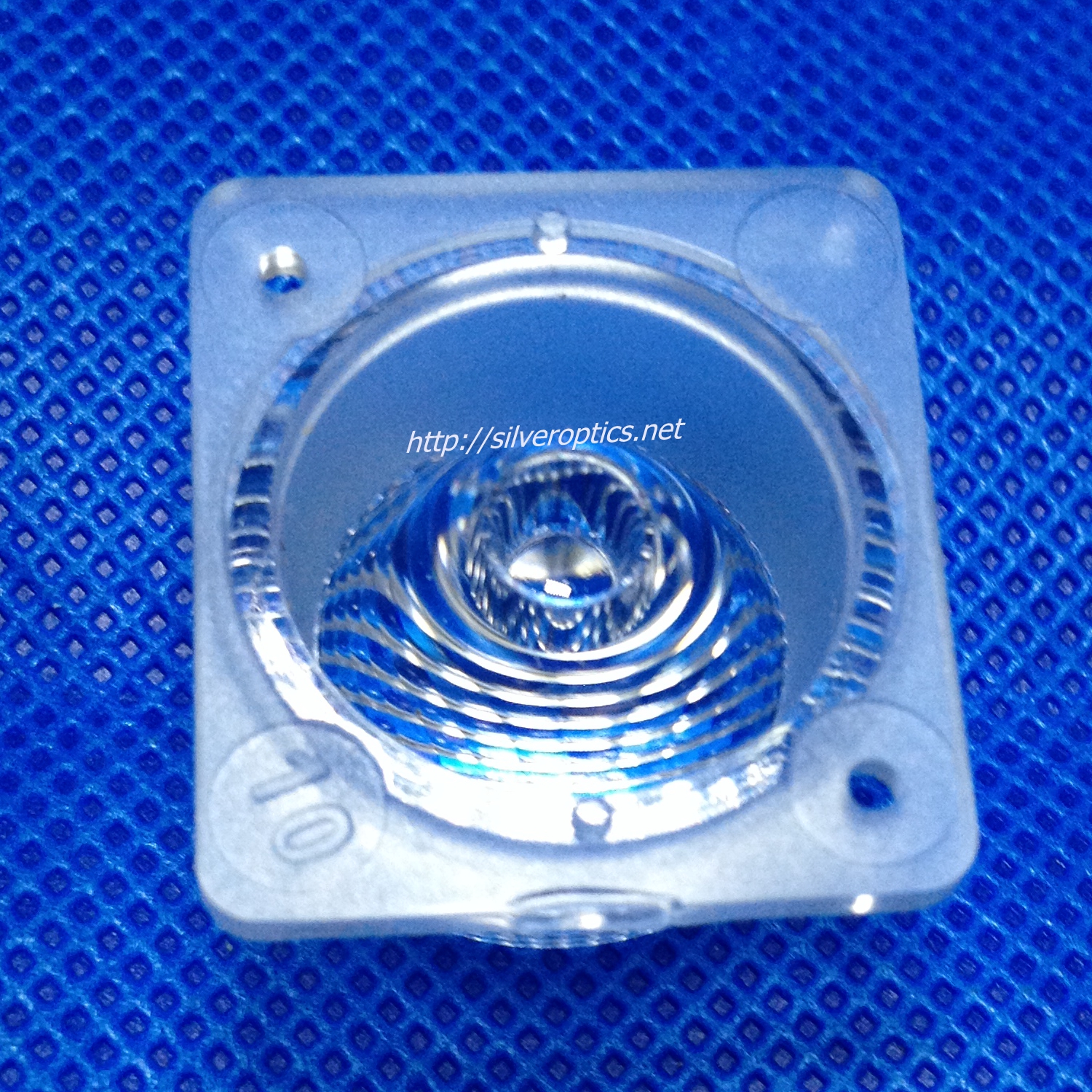
Concentric-ring PC samples and a mold photograph provide the basis for an inspection strategy that records radial position, direction and feature definition.
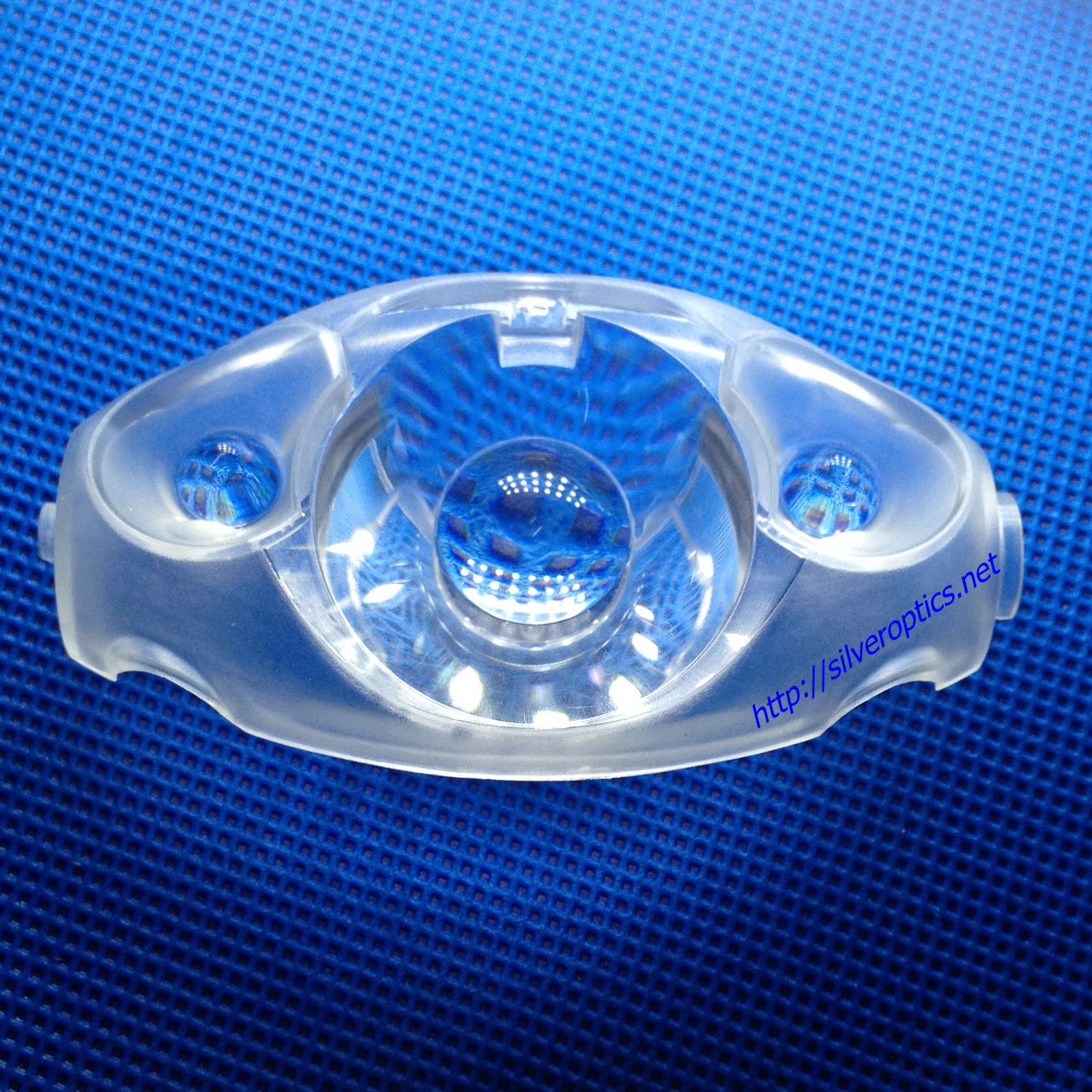
A curved PMMA sample, cavity view and full mold photograph anchor a technical study of surface definition, protected regions, measurement access and handling.
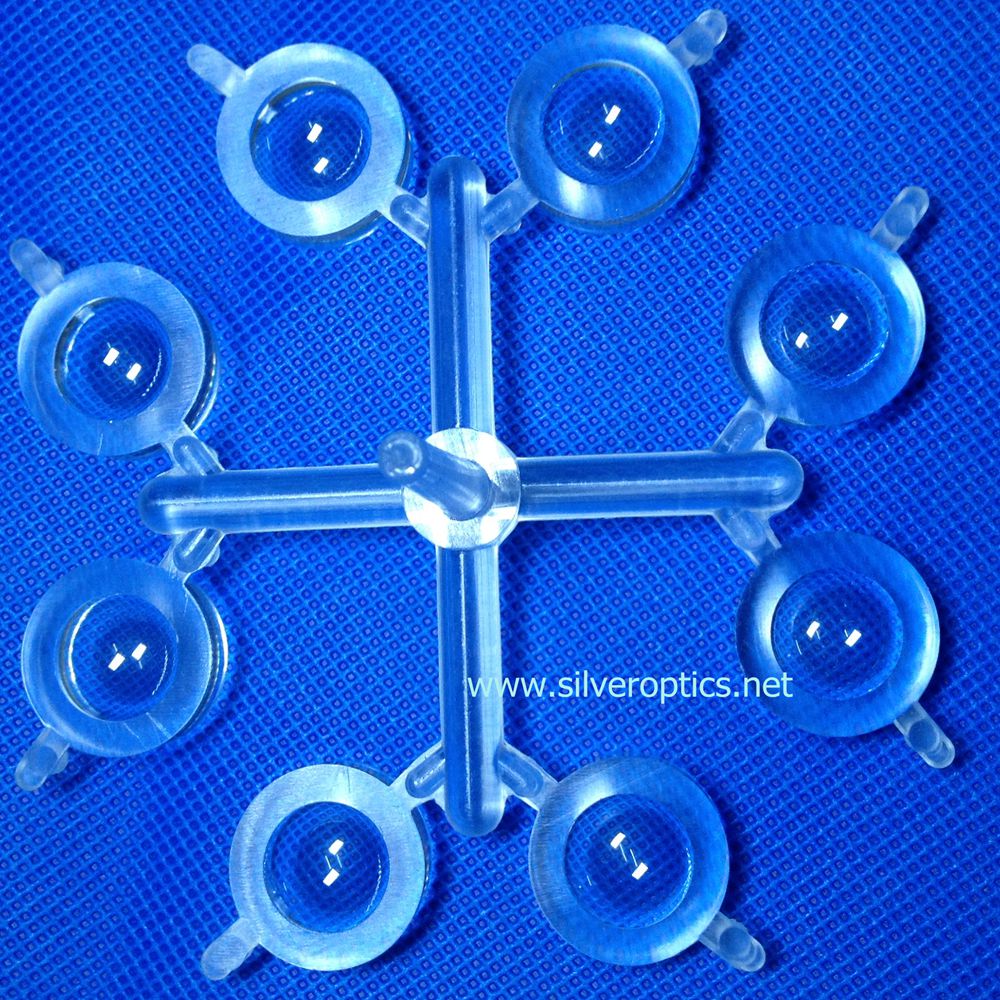
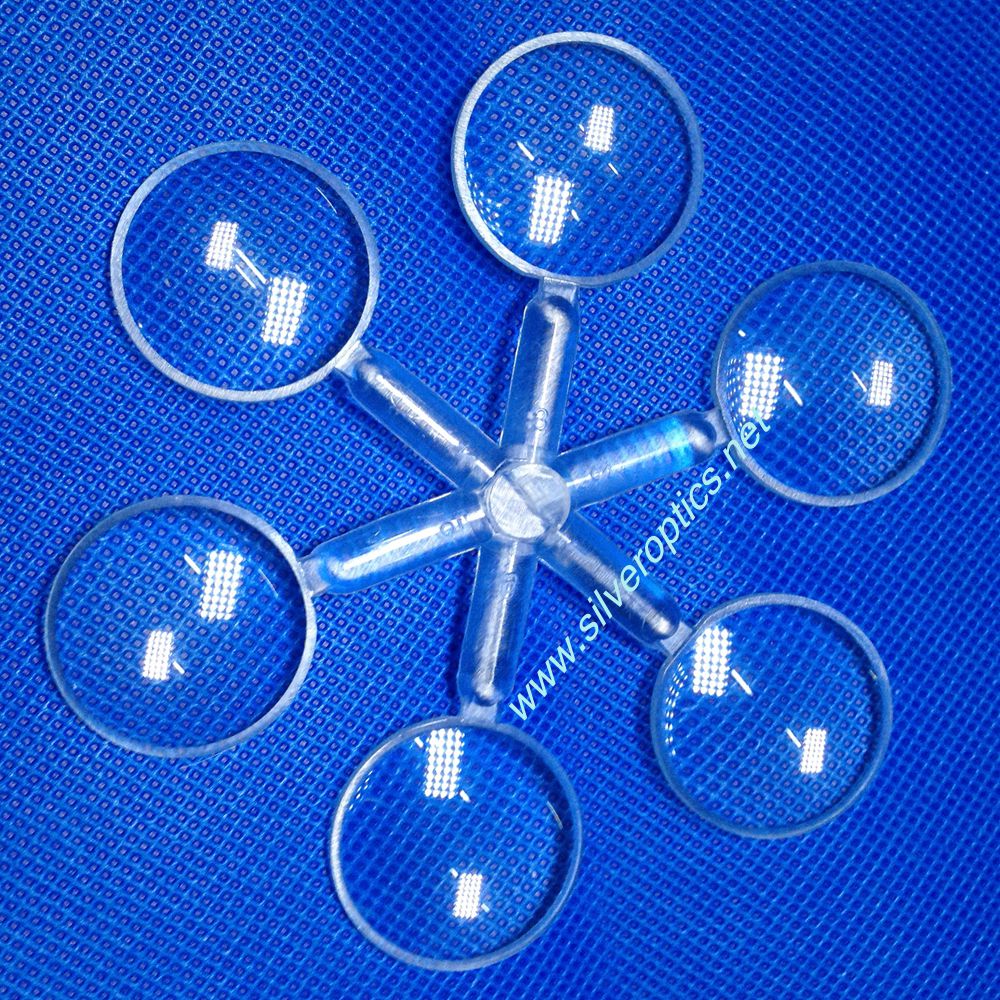
A three-cavity PC portfolio layout provides a concrete basis for preserving cavity identity, comparing complete shots and inspecting samples before and after separation.
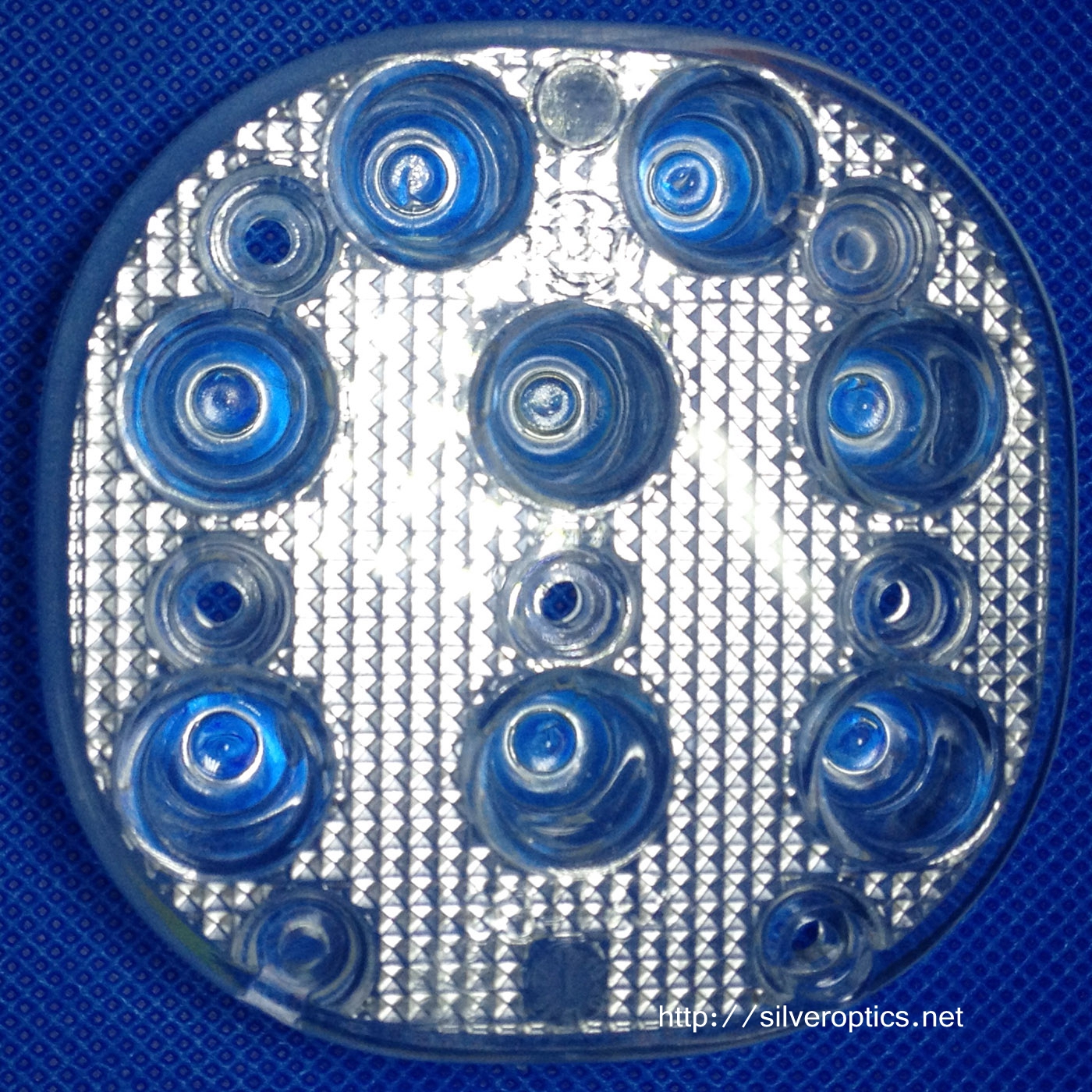
A presentation-based study of a PMMA array disc and optical tooling, showing how feature indexing connects mold review, sample inspection and quotation requirements.

A lighting optic can look clear and still produce an uneven beam. Connect optical geometry, material selection, molding behavior and assembly alignment before defining automotive tooling and acceptance tests.
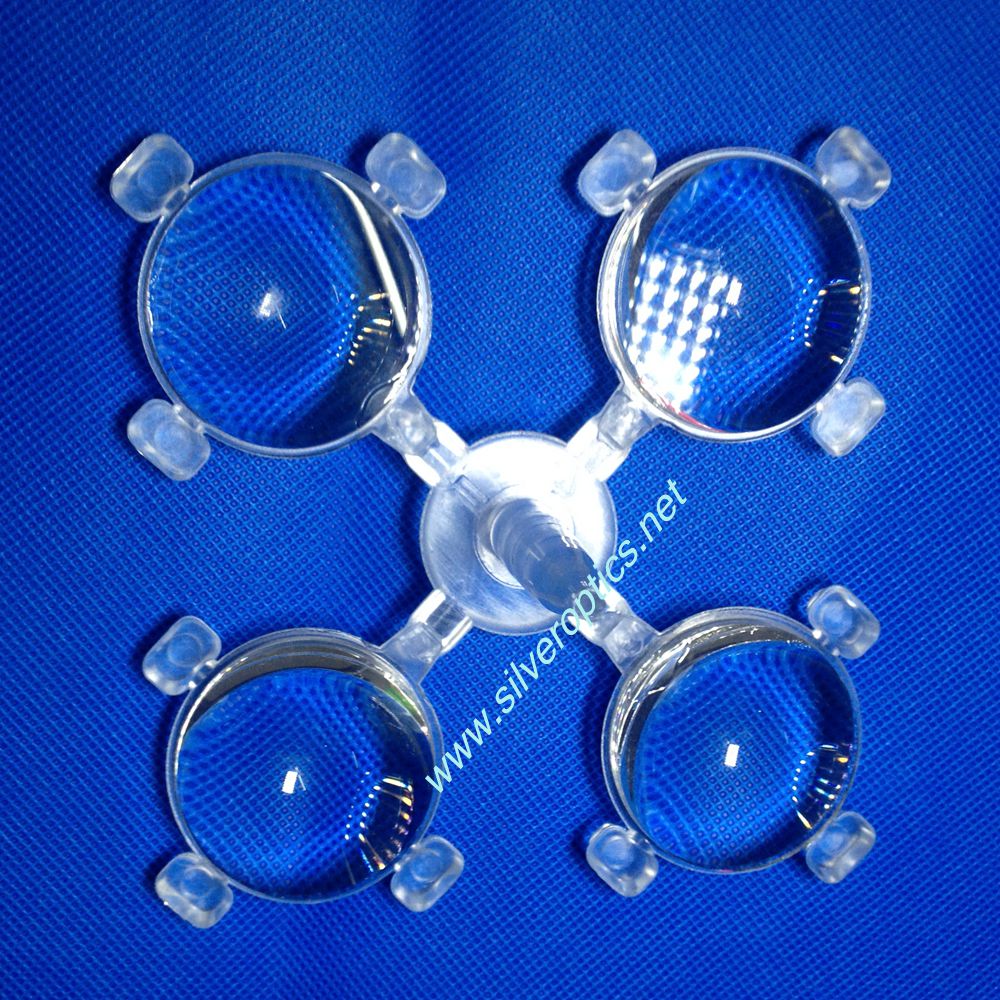
Imaging lenses, illumination optics and analytical optical paths need different evidence of performance. Use the component’s function to choose material data, tooling controls and meaningful acceptance tests.
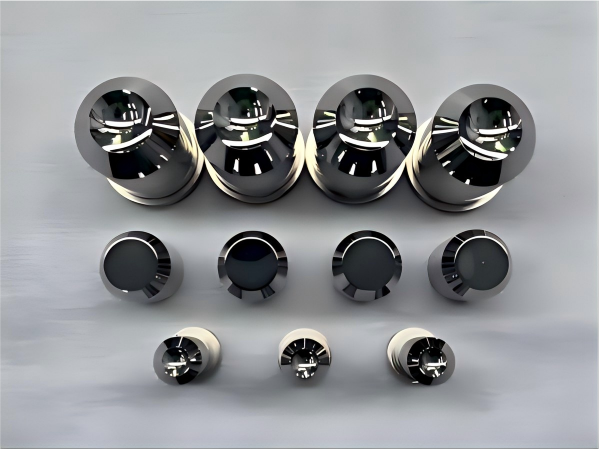
Optical mold selection links part geometry, molding method and cavity strategy. Understand what each choice changes and which trial measurements are needed before accepting a production tool.
Share your optical drawings, material requirements and inspection priorities. Discuss tooling, molding and the next steps with Silver Optics.