
- Custom Glass Optics
- Optical Molds
- OPtical Coating
- Optical Molding
- Optical Tooling
- Tooling Videos
- Prism & Filters
- Custom Optical Parts
- Lighting & Illumination
- Medical & Endoscopy
- Optical Applications
- Automotive Optics
- Imaging & Vision
- Optical Capabilities
- Products & Applications
- Resource
- Consumer Electronics
- Industrial Vision
- Aspheric Lenses
- Spherical Lenses
Dichroic Filter RFQ: Specify Both Spectral Ports
Inquiry- Description
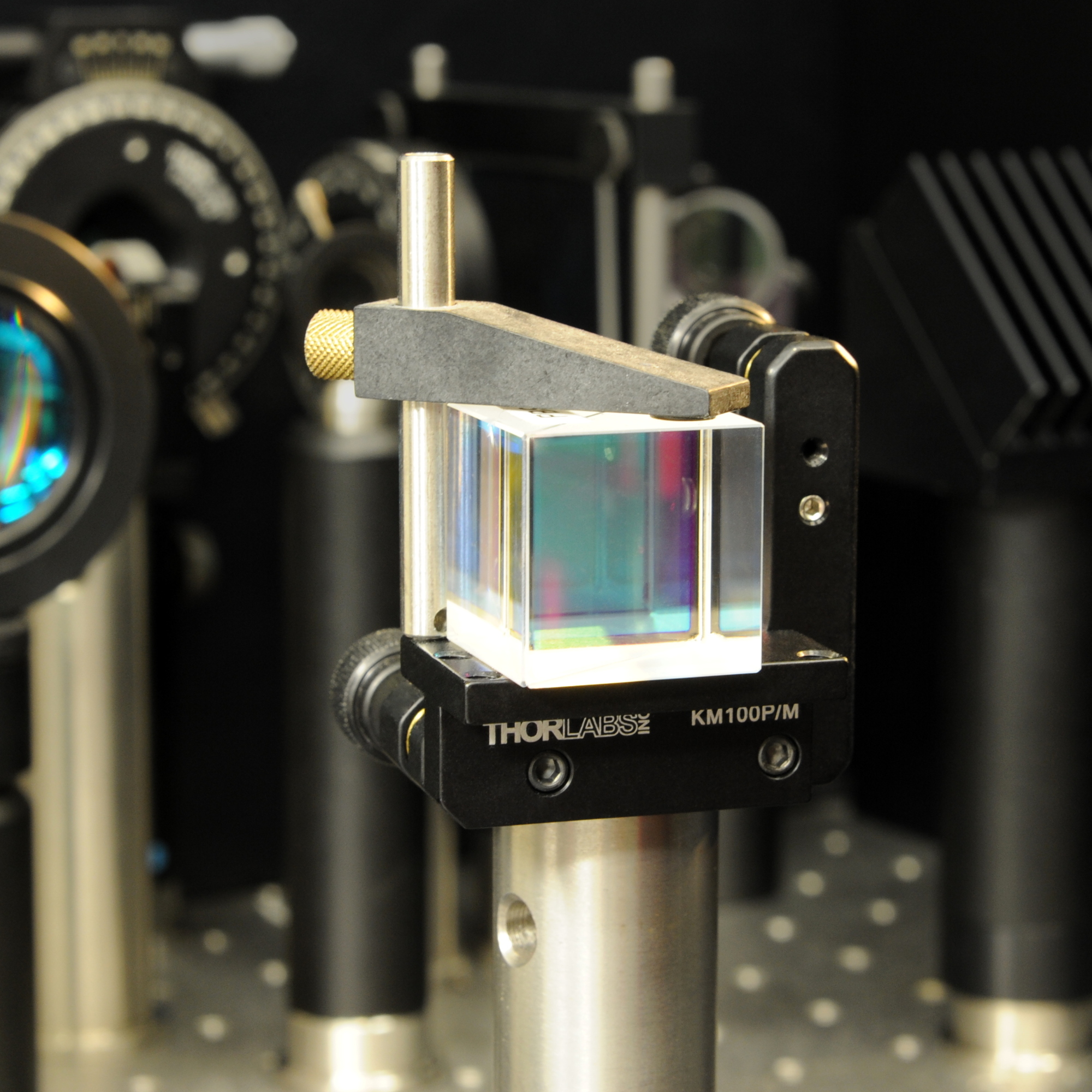
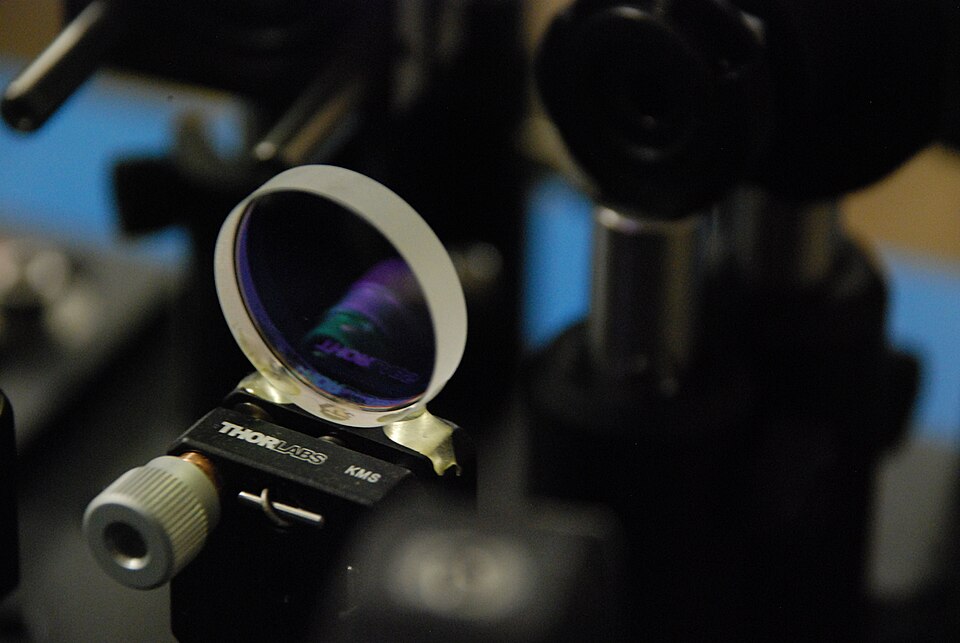
A dichroic filter can divide an optical path by wavelength. To quote it, a coating engineer needs to know which wavelengths must reach each port, how much leakage is tolerable and how much space the design leaves around the transition. A single cut-on wavelength does not answer all three questions.
Give Both Ports Their Own Spectral Requirements
List the wavelengths the straight-through path must transmit and those the reflected path must collect. State minimum throughput and maximum unwanted leakage separately for each used port. A transmission curve alone is not a reflection guarantee: coating absorption, scatter and the measurement geometry can also affect reported power.
Specify the transition with two limits, such as the last wavelength that must meet a reflection requirement and the first that must meet a transmission requirement. If the instrument does not use the intervening wavelengths, identify that region as a design margin. Do not specify a sharpness that the source or detector does not actually need.
State the Angles and Polarization at the Coated Surface
Supply nominal incidence and the actual angular range of the beam, including tolerance or cone where applicable. Interference coating spectra can change with incidence and polarization. If one channel sees a different distribution of rays, describe that field condition in the optical layout. Edmund Optics’ dichroic longpass examples show transmission and reflection as separately specified curves for a stated angle; do not adopt their angle as a default for an unrelated instrument.
Show the coated face and how it faces the incoming beam in assembly. Mark the useful aperture and the zones where retaining clips or orientation marks may sit. The coating RFQ guide explains which illumination details to include; a dichroic request also needs the two-port table.
Ask for Data at the Instrument’s Relevant Conditions
- Send a wavelength table naming transmitted and reflected requirements and any transition allowance.
- Define incidence range, polarization basis and useful aperture.
- State whether to report the coated part or a witness sample and what a witness sample can establish.
- Require the report to identify the sample, setup angles, polarization and spectral sampling.
For a custom coating discussion, summarize the optical path and acceptance bands on the Silver Optics inquiry page; arrange drawing transfer separately.
Resource, Blogs
SEND INQUIRY
Related Products
© Silveroptics 2026. All rights reserved
Powered by Silveroptics
Service
