News

Home News Advantages and Disadvantages of Glass Lenses

Advantages and Disadvantages of Glass Lenses

April 16, 2014

Advantages and Disadvantages of Glass Lenses

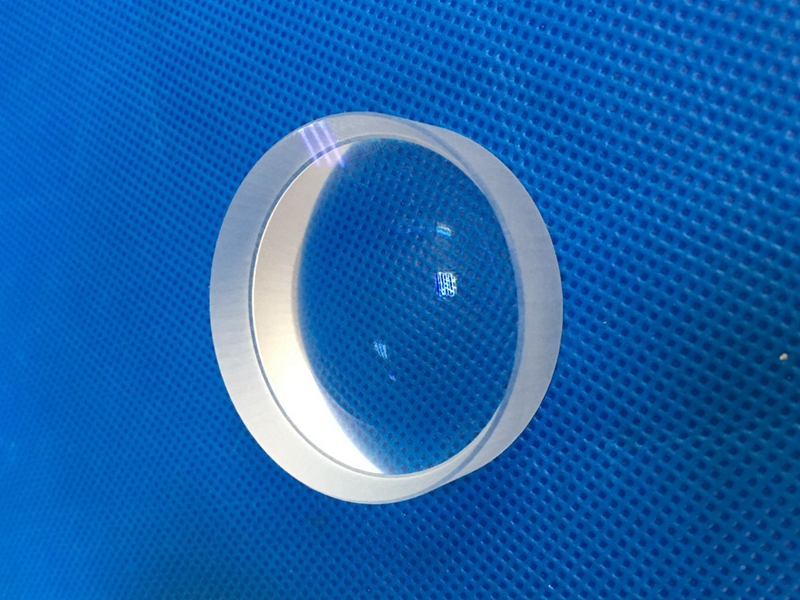
Glass lenses have long been a cornerstone in the field of optics, valued for their exceptional performance in light manipulation. As a key component in various optical systems, they possess distinct advantages that make them irreplaceable in many high-precision applications. However, they also have inherent limitations that restrict their use in certain scenarios. Below is a comprehensive analysis of the advantages and disadvantages of glass lenses:

Advantages of Glass Lenses

  1. Superior Optical Performance

One of the most prominent advantages of glass lenses is their excellent optical clarity and high light transmittance. High-quality optical glass materials minimize light scattering and absorption, ensuring that light passes through with minimal loss. Additionally, glass offers a stable and high refractive index, which is crucial for precise light refraction and focusing. When combined with specialized glass types (such as crown glass and flint glass), glass lenses can effectively correct chromatic aberration—a common optical defect—thereby delivering sharp, high-resolution images. This makes them ideal for applications requiring accurate light control, such as scientific research and high-end imaging.

  1. Excellent Thermal Stability

Glass materials exhibit strong resistance to temperature changes. Unlike polymer lenses, which may deform or degrade under high temperatures, glass lenses maintain their shape and optical properties even in extreme temperature environments. This thermal stability allows them to be used in laser systems, aerospace equipment, and industrial processes where high heat is generated, ensuring consistent performance under harsh conditions.

  1. High Durability and Scratch Resistance

Glass is inherently rigid and resistant to scratches, abrasions, and long-term degradation. This durability ensures that glass lenses have a longer service life, especially in demanding environments such as industrial workshops or outdoor scientific observation sites. Compared to polymer lenses, which are prone to scratches and surface damage, glass lenses require less frequent replacement, reducing long-term maintenance costs in many applications.

  1. Precise Manufacturing Feasibility

With advanced grinding and polishing technologies, glass lenses can be manufactured with extremely high precision. This allows for the production of lenses with complex shapes and strict dimensional tolerances, meeting the requirements of high-end optical systems such as telescopes, microscopes, and laser equipment. The ability to achieve fine surface finishes (with minimal surface roughness) further enhances their optical performance.

Disadvantages of Glass Lenses

  1. Heavy Weight

Glass is significantly denser than polymer materials, making glass lenses much heavier. For example, a glass lens of the same size is approximately four times heavier than a polymer lens. This weight disadvantage limits their use in weight-sensitive applications such as consumer electronics (e.g., lightweight cameras, smartphones), automotive systems, and portable medical devices, where reducing overall weight is a key design priority.

  1. High Manufacturing Costs

The production of glass lenses involves complex and time-consuming processes, including precision grinding, polishing, and optical coating. These processes require specialized equipment and skilled labor, leading to high manufacturing costs—especially for large-batch production or lenses with complex geometries. In contrast, polymer lenses can be mass-produced efficiently via injection molding at a lower cost, making glass lenses less competitive in cost-sensitive applications.

  1. Brittleness and Fragility

Despite their scratch resistance, glass lenses are brittle and prone to shattering upon impact. This fragility poses risks in applications where the lens may be subjected to vibration, shock, or accidental drops, such as portable optical devices or automotive components. In such scenarios, break-resistant polymer lenses are often a safer alternative.

  1. Limited Design Flexibility

The brittleness of glass limits its ability to be shaped into complex geometries. Unlike polymer materials, which can be easily molded into intricate forms and integrated with assembly functions, glass lenses are constrained by the material’s rigidity and the limitations of grinding/polishing processes. This reduces design flexibility, making it difficult to optimize the overall structure of optical systems that require compact or complex lens configurations.

Conclusion

Glass lenses excel in optical performance, thermal stability, and durability, making them indispensable in high-precision, harsh-environment applications. However, their weight, cost, fragility, and limited design flexibility restrict their use in certain scenarios. The choice of using glass lenses ultimately depends on the specific requirements of the optical system, balancing performance needs against practical constraints such as weight, cost, and environmental conditions.


CATEGORY AND TAGS:
News

Related Posts

  • SilverOptics Logo

    Precision Glass & Plastic Optics Manufacturing.

    Your one-stop solution for advanced optical engineering.

  • Contact Us

    Tel: +86 13530516428
    Email: sales@silveroptics.net
    Add: No.10 Zhenye Street, Xianxi, Changan, Dongguan, Guangdong, China
    Post Code: 523850